Key facts
- Specialty
- Plastic surgery
- Subspecialties
- Plastic Cosmetic & Reconstructive Surgery (Bumrungrad specialty label), Plastic and reconstructive surgery (Chulalongkorn: ศัลยศาสตร์ตกแต่งและเสริมสร้าง), Craniofacial surgery, Facial cosmetic surgery, Breast surgery, Body contouring, Facial bone surgery, Congenital craniofacial anomalies
- Academic title
- Professor
- City
- Bangkok, Thailand
- Medical school
- Faculty of Medicine, Chulalongkorn University
- Fellowship
- Australian Craniofacial Unit (published as 'Australia Craniofacial Unit'); Not named (published as 'Craniofacial Surgery in USA')
- Societies
- The Society of Plastic and Reconstructive Surgeons of Thailand (ThPRS); The Society of Aesthetic Plastic Surgeons of Thailand (ThSAPS); Thai Cleft Lip-Palate and Craniofacial Association; Asia Pacific Craniofacial Association (APCA)
- Special interests
- Facial cosmetic surgery e.g. face and neck lift, endoscopic facelift; Eyelid e.g. blepharoplasty, double eyelid, congenital ptosis; Breast surgery e.g. augmentation, lift, reduction, gynecomastia; Body contouring e.g. liposuction, body lift, thigh lift, tummy tuck; Nose e.g. reduction, shape modification, augmentation, alarplasty; Facial bone surgery e.g. prognathism, chin implant, cheek implant, reduction malarplasty; Ear e.g. otoplasty, prominent ears, torn ear lobe, widened ear holes; Skin e.g. mole excision, melanoma, basal cell carcinoma, skin tumor, scar revision; Congenital craniofacial anomalies e.g. cleft lip, cleft palate, craniosynostosis, microsomia, facial clefts
- Languages
- Thai, English
- Procedures
- 19 documented procedures
Prof. Nond Rojvachiranonda: plastic and craniofacial surgeon in Bangkok
Prof. Nond Rojvachiranonda (Thai: ศ.นพ. นนท์ โรจน์วชิรนนท์) is a Bangkok plastic surgeon whose published interests span two fields that seldom share one profile: cosmetic operations on the face, breast and body, and reconstruction of face and skull conditions that children are born with. Chulalongkorn University's Faculty of Medicine gives him the academic rank of Professor, with his post in the surgery department's plastic and reconstructive division, and the Princess Sirindhorn Craniofacial Center at King Chulalongkorn Memorial Hospital names him as its Deputy Head.
His private work is split between two further Bangkok hospitals. BNH Hospital places him in its Surgery Department and publishes two late-afternoon sessions a week for him, while Bumrungrad International Hospital counts him among the doctors attached to its Plastic (Cosmetic) Surgery Center, with the specialty label Plastic Cosmetic & Reconstructive Surgery.
Every procedure we connect to him comes from one list: nine groups of 'Special Clinical Interests' published by Bumrungrad.
- Face (cosmetic): endoscopic facelift, face and neck lift
- Eyelids: blepharoplasty, double eyelid, congenital ptosis
- Nose: reduction, shape modification, augmentation, alarplasty
- Facial bones: prognathism, chin implant, cheek implant, reduction malarplasty
- Ears: otoplasty, prominent ears, torn ear lobe, widened ear holes
- Breast: augmentation, lift, reduction, gynecomastia
- Body contouring: liposuction, body lift, thigh lift, tummy tuck
- Skin: mole excision, melanoma, basal cell carcinoma, skin tumour, scar revision
- Congenital craniofacial anomalies: cleft lip, cleft palate, craniosynostosis, microsomia, facial clefts
Chulalongkorn's Department of Surgery condenses the same range into five headings: facial cosmetic surgery, breast surgery, body contouring, facial bone surgery and congenital craniofacial anomalies. Both of his fellowships abroad were in craniofacial surgery, and the bulk of his indexed papers deal with craniofacial problems. It becomes most relevant to a patient whose question concerns the cheekbones, chin or jaw, where his cosmetic and reconstructive work overlap.
None of his three hospitals publishes his operation volumes, complication rates, fees or patient ratings, and this page does not fill that gap with estimates. To take a question further, request a consultation with Prof. Nond Rojvachiranonda. We send it on to whichever of his hospitals you prefer and tell you what that hospital can offer; the hospital, not us, confirms any date.
Education and training
- Medical degree1990
M.D. (แพทยศาสตรบัณฑิต)
Faculty of Medicine, Chulalongkorn University, Thailand
Source (bumrungrad.com) (opens in a new tab) - Fellowship
Fellowship in Craniofacial Surgery (published as 1999-2000)
Australian Craniofacial Unit (published as 'Australia Craniofacial Unit'), Australia
Source (bumrungrad.com) (opens in a new tab) - Fellowship
Fellowship in Craniofacial Surgery (published as 2000-2001)
Not named (published as 'Craniofacial Surgery in USA'), United States
Source (bumrungrad.com) (opens in a new tab) - Board certification1997
Diploma of the Thai Board of General Surgery (Chulalongkorn page: วุฒิบัตร สาขาศัลยศาสตร์ แพทยสภา)
The Medical Council of Thailand, Thailand
Source (bumrungrad.com) (opens in a new tab) - Board certification1999
Diploma of the Thai Board of Plastic Surgery (Chulalongkorn page: วุฒิบัตร สาขาศัลยศาสตร์ตกแต่งและเสริมสร้าง แพทยสภาแห่งประเทศไทย)
The Medical Council of Thailand, Thailand
Source (bumrungrad.com) (opens in a new tab)
Medical degree. His medical training began at Chulalongkorn University's Faculty of Medicine, which awarded him the M.D. (แพทยศาสตรบัณฑิต) in 1990. Bumrungrad and the Chulalongkorn Department of Surgery give the same year.
Specialist diplomas. Two Thai board diplomas followed, both issued under the Medical Council of Thailand: general surgery in 1997 and plastic surgery in 1999. In Thai, the Chulalongkorn page records the 1999 certificate under ศัลยศาสตร์ตกแต่งและเสริมสร้าง, the Thai name of the specialty. The 1999 diploma is the Thai specialist qualification that bears directly on cosmetic surgery.
Craniofacial fellowships. After his plastic surgery board he trained abroad in craniofacial surgery twice. Bumrungrad dates the first, at the Australian Craniofacial Unit (written on the profile as 'Australia Craniofacial Unit'), to 1999-2000, and the second, in the United States, to 2000-2001. No official page we read names the American centre, so we cannot say where that year was spent. Craniofacial surgery reshapes skull and facial bone as well as the soft tissue lying over it, which is the thread linking his cleft and skull work with the jaw and cheekbone operations on his cosmetic list.
Professor or Associate Professor? Bumrungrad ('Academic Rank: Professor, Chulalongkorn University'), BNH Hospital and the Chulalongkorn Department of Surgery all call him Professor (ศาสตราจารย์). The Faculty of Medicine's English staff page and his society records from 2018 and 2019 still show Associate Professor; we read those as not yet updated. Either title refers to the same surgeon.
Society listings. ThPRS, Thailand's professional body for plastic and reconstructive surgery, posted a member entry for him on 27 November 2019, when he was still an Associate Professor, with a work address at King Chulalongkorn Memorial Hospital's plastic surgery unit. ThSAPS, the Thai aesthetic plastic surgery society, once kept a searchable list of its surgeons on surgery.or.th; his entry there, last edited in 2018, survives in web-archive captures from August 2019 and February 2020. Because surgery.or.th stopped serving the directory and no later public ThSAPS roster came to light, his standing with that society after 2020 is open rather than disproved.
Licence number. The ThPRS entry records Medical Council of Thailand licence number 16100. The licence can be looked up on the Medical Council of Thailand's public register at checkmd.tmc.or.th, and our patient team can help you confirm it before you travel. The council's register is public, and searching his name there before you book flights is a sensible step; our research methodology sets out how we treat sources we cannot reach.
Published research. Searching PubMed for his name gave 23 records at our check, each with a Chulalongkorn affiliation where one appears. Of the eight we have matched to him, most appeared in The Journal of Craniofacial Surgery: two on frontoethmoidal encephalomeningocele, a birth defect in which brain tissue and its linings push through a gap in the front of the skull near the nose (2003, and a 2006 paper setting out a 'modified Chula technique'); one measuring new bone in distraction osteogenesis of the facial skeleton by bone scintigraphy (2007); one on treating craniofacial arteriovenous malformations (2016); one on sleep-disordered breathing in children with craniofacial anomalies (2023); and a multicentre study of non-cleft craniofacial anomalies in Thailand (2025). Two bear on cosmetic work: a 2003 Aesthetic Plastic Surgery paper describing reduction malarplasty without an external incision, and a 2012 cadaver study of the nasal periosteum and implant position after augmentation rhinoplasty. Papers indicate research interests; they say nothing about an individual surgeon's results.
Professional experience
- Current
Professor (ศาสตราจารย์; Bumrungrad: 'Academic Rank: Professor, Chulalongkorn University'), Division of Plastic and Reconstructive Surgery (หน่วยศัลยศาสตร์ตกแต่งและเสริมสร้าง), Department of Surgery; in-hours clinic Monday 08:00-14:00, 6th floor, Chakri Thotsamo building
Faculty of Medicine, Chulalongkorn University / King Chulalongkorn Memorial Hospital
Source (chulasurgery.md.chula.ac.th) (opens in a new tab) - Current
Deputy Head, Princess Sirindhorn Craniofacial Center
King Chulalongkorn Memorial Hospital, Thai Red Cross Society
Source (web.archive.org) (opens in a new tab) - Current
Plastic surgeon (specialty: Plastic Cosmetic & Reconstructive Surgery); schedule shows 'NO OPD CLINIC'
Bumrungrad International Hospital, Bangkok
Source (bumrungrad.com) (opens in a new tab) - Current
Plastic surgeon, Surgery Department; regular schedule Tuesday 16:30-19:00 and Friday 15:30-19:00
BNH Hospital, Bangkok
Source (bnhhospital.com) (opens in a new tab) Co-founder; described as 'currently the president' (earlier on the executive committee)
Thai Cleft Lip-Palate and Craniofacial Association
Source (web.archive.org) (opens in a new tab)Executive committee member
Asia Pacific Craniofacial Association
Source (web.archive.org) (opens in a new tab)
Prof. Nond Rojvachiranonda divides his published week between a university hospital and two private hospitals. The schedules below are as each hospital displayed them on 27 September 2026. Clinic times shift, so our patient team confirms them again for every request.
- Faculty of Medicine, Chulalongkorn University, and King Chulalongkorn Memorial Hospital. Chulalongkorn's surgery department lists him as a full professor in its plastic and reconstructive unit. His department page gives a Monday clinic within official hours, 08:00-14:00, on the sixth floor of the Chakri Thotsamo building. Owned by the Thai Red Cross Society, the hospital also serves as the university's main teaching site; you will find it on Rama 4 Road, Pathumwan.
- Princess Sirindhorn Craniofacial Center. The hospital's page for the centre names him Deputy Head. Our reading comes from a web-archive copy of May 2026. That page also records that he started a support group for craniofacial patients in 2003.
- BNH Hospital. Plastic surgeon in the Surgery Department, seeing patients on Tuesdays 16:30-19:00 and Fridays 15:30-19:00. Of his two private hospitals, only BNH advertises fixed outpatient times for him.
- Bumrungrad International Hospital. Named on the doctor list of the Plastic (Cosmetic) Surgery Center under Plastic Cosmetic & Reconstructive Surgery. His profile timetable reads 'NO OPD CLINIC', meaning no standing outpatient session is advertised. If Bumrungrad is where you want to be seen, mention it when you write and our team will find out from the hospital whether he can see you there.
Craniofacial associations. According to the King Chulalongkorn Memorial Hospital centre page, he helped found the Thai Cleft Lip-Palate and Craniofacial Association, served on its executive committee and is 'currently the president'. The same page places him on the executive committee of the Asia Pacific Craniofacial Association. We have not seen these roles on the associations' own lists, so we repeat them only as the hospital page words them.
Hospitals no longer shown. When he last edited his ThSAPS directory entry in 2018, it also mentioned Bangkok Christian Hospital and Phyathai 2 Hospital. Neither hospital has a current official profile for him that we could find, so they are not listed as places he practises. If another hospital advertises him, confirm the arrangement with that hospital directly; BNH, Bumrungrad and King Chulalongkorn Memorial Hospital are the three we can document from their own pages today.
Selected publications
- Current Situation of Non-cleft Craniofacial Anomalies in Thailand: A Multicenter Study. (opens in a new tab) · The Journal of Craniofacial Surgery, 2025
- Sleep-disordered Breathing in Children With Craniofacial Anomalies. (opens in a new tab) · The Journal of Craniofacial Surgery, 2023
- Combined Intralesional Neodymium-Doped Yttrium Aluminium Garnet Laser and Intratumoral Ligation as Curative Treatment for Craniofacial Arteriovenous Malformations. (opens in a new tab) · The Journal of Craniofacial Surgery, 2016
- Cadaveric study of the nasal periosteum and implant position after augmentation rhinoplasty. (opens in a new tab) · The Journal of Craniofacial Surgery, 2012
- Quantitative study of new bone formation in distraction osteogenesis of craniofacial bones by bone scintigraphy. (opens in a new tab) · The Journal of Craniofacial Surgery, 2007
- Correction of the frontoethmoidal encephalomeningocele with minimal facial incision: modified Chula technique. (opens in a new tab) · The Journal of Craniofacial Surgery, 2006
- Frontoethmoidal encephalomeningocele: new morphological findings and a new classification. (opens in a new tab) · The Journal of Craniofacial Surgery, 2003
- Reduction malarplasty without external incision: a simple technique. (opens in a new tab) · Aesthetic Plastic Surgery, 2003
Procedures performed
Procedures are listed only when an official source, such as a hospital or clinic profile, a department page or the surgeon's own site, names them. A listing is not a recommendation: whether a procedure suits you is decided at a consultation.
Facial plastic surgery
Body contouring
Where these listings come from
- Bumrungrad 'Special Clinical Interests': 'Nose e.g. ... alarplasty' bumrungrad.com (opens in a new tab)
- Bumrungrad 'Special Clinical Interests': 'Nose e.g. reduction, shape modification, augmentation, alarplasty' (augmentation rhinoplasty is this slug's alias) bumrungrad.com (opens in a new tab)
- Bumrungrad 'Special Clinical Interests': 'Eyelid e.g. blepharoplasty, double eyelid, congenital ptosis' bumrungrad.com (opens in a new tab)
- Bumrungrad 'Special Clinical Interests': 'Facial bone surgery e.g. prognathism, chin implant, cheek implant, reduction malarplasty' bumrungrad.com (opens in a new tab)
- Bumrungrad 'Special Clinical Interests': 'Facial cosmetic surgery e.g. face and neck lift, endoscopic facelift' bumrungrad.com (opens in a new tab)
- Bumrungrad 'Special Clinical Interests': 'Ear e.g. otoplasty, prominent ears, torn ear lobe, widened ear holes' bumrungrad.com (opens in a new tab)
- Bumrungrad 'Special Clinical Interests': 'Nose e.g. reduction, shape modification, augmentation, alarplasty' bumrungrad.com (opens in a new tab)
- Bumrungrad 'Special Clinical Interests': 'Breast surgery e.g. augmentation, lift, reduction, gynecomastia' bumrungrad.com (opens in a new tab)
- Bumrungrad 'Special Clinical Interests': 'Body contouring e.g. liposuction, body lift, thigh lift, tummy tuck' bumrungrad.com (opens in a new tab)
What Prof. Nond Rojvachiranonda treats: face, eyelids, nose, facial bones, ears, breast and body
Each area below is taken from his Bumrungrad clinical interests, with a link wherever our site has a guide. The general facts come from those guides and describe the procedure, not him; his own methods and outcomes are not published. Stays quoted are the typical ranges in our guides, but none of it tells you whether an operation is right for you; that needs his assessment in person.
Face and neck lift, including endoscopic facelift
Bumrungrad groups face and neck lift with endoscopic facelift under his facial cosmetic surgery. In general, a facelift (rhytidectomy) raises the supporting tissue under the skin of the jaw, cheeks and neck and then trims whatever skin is left redundant, with jowls and a softened jawline as the usual reasons for it. A neck lift concentrates on the area under the chin and is frequently done in the same operation. Concerns about the brow or the eyelids are usually addressed with separate procedures. Our facelift guide describes general anaesthesia or IV sedation, usually 1-2 nights on the ward, a total of roughly 10-14 days in Thailand, and bruising that mostly settles in 2-3 weeks. His profile does not explain how he uses the endoscopic approach or for which patients, so ask him to describe it in relation to your own face.
Eyelids: blepharoplasty, double eyelid and congenital ptosis
His eyelid interests take in three distinct operations. In blepharoplasty, the surgeon takes away or shifts skin, muscle and fat, for heavy upper lids or baggy lower ones. Double eyelid surgery forms an upper-lid fold, either by a full incision or, where the lid allows, by a non-incisional stitch technique that our guide notes may not last as long. Congenital ptosis, a lid margin that has drooped since birth, calls for ptosis correction: the repair targets the muscle that raises the lid, so removing skin alone does not fix it. As general guidance, our eyelid guide gives 5-7 days before most people fly, the point at which stitches are normally taken out. A newly made crease often sits higher in the first weeks and settles over the following months. Your eye history, including dryness, glaucoma, thyroid eye disease and your latest vision test, forms part of the safety check before any lid surgery.
Nose: reduction, reshaping, augmentation and alarplasty
Bumrungrad names four nose goals for him: reduction, shape modification, augmentation and alarplasty. Reduction and reshaping correspond to rhinoplasty as most Western patients know it, such as taking down a hump, narrowing the bridge or refining the tip. Building up a low bridge or tip is covered in our Asian rhinoplasty guide, and alarplasty, which narrows wide nostril bases, is described under alar base reduction. For augmentation, our rhinoplasty guide explains that raising a low bridge draws either on the patient's cartilage, harvested from inside the nose (septum), from ear cartilage or from a rib, or on a manufactured implant, typically silicone or ePTFE, and that these materials are not equal on infection, on how firm the nose feels or on durability. Of direct relevance here, he co-authored a 2012 cadaver study of the nasal periosteum and where implants sit after augmentation rhinoplasty, so asking him how he would position an implant in your nose is a reasonable question. In general, allow roughly 7-10 days in Bangkok so the external splint can be removed and the nose reviewed before you leave.
Facial bones: jaw, chin and cheeks
Bumrungrad's facial bone heading lists prognathism, chin implant, cheek implant and reduction malarplasty. The two implant operations add projection; see chin augmentation and cheek augmentation. Reduction malarplasty goes the other way, reshaping bone to narrow wide or prominent cheekbones, while prognathism means a jaw, most often the lower one, that sits too far forward. Neither of those two has a matching guide on our site, so we have not linked them. His 2003 paper in Aesthetic Plastic Surgery set out a reduction malarplasty method without an external incision. A forward-set jaw also changes how the teeth meet, so ask whether an orthodontist or other dental specialist would need to be part of your plan and which scans he wants to see first. Our chin augmentation guide gives about 5-7 days in Thailand as typical.
Ears: prominent ears, torn lobes and widened ear holes
Our otoplasty guide describes an operation that brings prominent ears closer to the head or refolds the cartilage, through an incision tucked into the fold behind the ear, where the scar tends to stay out of sight. Bumrungrad also lists repair of torn earlobes and stretched piercing holes for him; these are small lobe procedures without a separate guide on our site. As general guidance from that page: local anaesthesia is usual for adults and general anaesthesia for children, the operation is normally a day case, most visitors stay in Thailand for 5-7 days, and for several weeks many patients sleep in a soft band that protects the new position.
Breast: augmentation, lift, reduction and gynecomastia
On the breast, his Bumrungrad interests cover breast augmentation, breast lift, breast reduction and, for men, gynecomastia surgery. In an augmentation, breast volume is increased with implants, usually silicone or saline, or occasionally with fat moved from elsewhere in the body. A nipple that sits low stays low unless it is repositioned, which is the job of a lift (mastopexy): excess skin is removed and the nipple and breast tissue are moved higher. Reduction makes heavy breasts smaller and lighter, and many people seek it partly for neck, back and shoulder pain. Gynecomastia surgery removes enlarged gland tissue with liposuction, excision or both, after medical causes such as medicines, hormonal conditions or anabolic steroids have been considered. For planning, our guides allow 7-10 days in Thailand after implants or male chest surgery and lengthen that to 10-14 days where skin is excised, as in a lift or reduction. Our augmentation guide warns that implants do not last for life and that a later replacement or removal is common, so ask which implant he would propose and how follow-up would work once you live far from Bangkok.
Body contouring: liposuction, tummy tuck, body lift and thigh lift
The body-contouring group on his profile names liposuction, the tummy tuck, the body lift and the thigh lift. Liposuction reshapes stubborn fat deposits through small incisions; it is a contouring procedure, not a way to lose weight. Abdominoplasty (the tummy tuck) excises the apron of loose skin and fat under the belly button and, in most patients, also closes a gap between the two vertical abdominal muscles. Body and thigh lifts are skin-removing operations often considered after major weight loss. As a general guide, set aside 7-10 days in Thailand after liposuction, 10-14 after a thigh lift and 12-14 after a tummy tuck, and more when big or combined operations are planned. Our tummy tuck guide places it among the cosmetic operations with a higher rate of blood clots, so agree a clot-prevention plan with him well before any long-haul flight. We have only a short overview of the body lift so far, so put your questions on scar position, drains and the length of your stay in Bangkok to him directly.
Skin surgery and scar revision
Mole removal, excision of skin cancers such as melanoma and basal cell carcinoma, other skin tumours and scar revision also appear on his Bumrungrad list. These are medical and reconstructive procedures rather than cosmetic ones, and we have no guide for them. If a mole has changed, or a skin cancer has already been diagnosed, put that at the top of your request so the hospital can judge urgency and whether other specialists should be involved.
Congenital craniofacial conditions
His Bumrungrad list also names cleft lip, cleft palate, craniosynostosis (premature closure of the growth seams between the skull bones), craniofacial microsomia (under-development of parts of the face, usually more on one side) and rare facial clefts. These conditions are the core work of the Princess Sirindhorn Craniofacial Center, where he is Deputy Head. In general, children with them are cared for by a team of specialists over several stages as they grow, rather than in one operation. Families can contact our patient team, who will forward the enquiry to the hospital; such enquiries are not handled as cosmetic bookings, and we cannot describe the centre's care pathway beyond what its own page publishes.
Questions to ask Prof. Nond Rojvachiranonda at a consultation
What to ask Prof. Nond Rojvachiranonda depends on which of his nine listed areas brings you to him. In general, photos sent before travel allow only a provisional opinion, and a plan is agreed once he has examined you in person.
Practical points for any operation
- At which of your three hospitals would the surgery happen, and will my first appointment be at that same hospital?
- Who would look after my anaesthesia, and what kind would suit this particular operation for me?
- After the operation, how many nights am I in a ward bed, and what is the last check before my flight?
- Which items does the quotation cover (your fee, the hospital, anaesthesia, implants, garments, follow-up visits), and how would a corrective operation be handled and charged?
- If something worries me after I am back home, whom should I write to, and how would you assess it from a distance?
Face, eyelids and neck
- Would my concern be better served by a facelift, a neck lift, eyelid surgery or a combination?
- What does your endoscopic facelift involve, and does my face suit it?
- Are my eyelids a question of surplus skin, a drooping lid margin (ptosis), or both?
- For a double eyelid, would you choose an incision or a stitch method for my lids, and why?
Nose, chin, cheeks and jaw
- If my bridge needs height, would you build it with my cartilage or with silicone or ePTFE, and at what depth would it sit?
- Would nostril narrowing be done in the same operation as the rest of my nose?
- For cheekbone reduction or a forward jaw, which scans do you need, and where would the incisions be?
- Would an implant or surgery on the bone itself give a better result for my chin or cheeks?
Breast and body
- For my chest, which implant (type, profile, surface) and which placement, above or partly below the muscle, would you pick?
- Do I need a lift with augmentation, or a lift on its own?
- Is my liposuction plan, or my combination of operations, within safe limits for a single session, or should it be split?
- How will clots be prevented, and how soon afterwards could I take a long flight?
Take along a written note of every medicine and supplement, and mention any smoking or nicotine use; our tummy tuck and rhinoplasty guides both ask patients to stop well before surgery because smoking raises wound-healing risks. Noting his answers as you go makes it easier to compare his plan with any other opinion you seek.
Hospitals and clinics where Prof. Nond Rojvachiranonda practises
Watthana, Bangkok
Bumrungrad International Hospital
โรงพยาบาลบำรุงราษฎร์ อินเตอร์เนชั่นแนล
- Private hospital
- International patient service
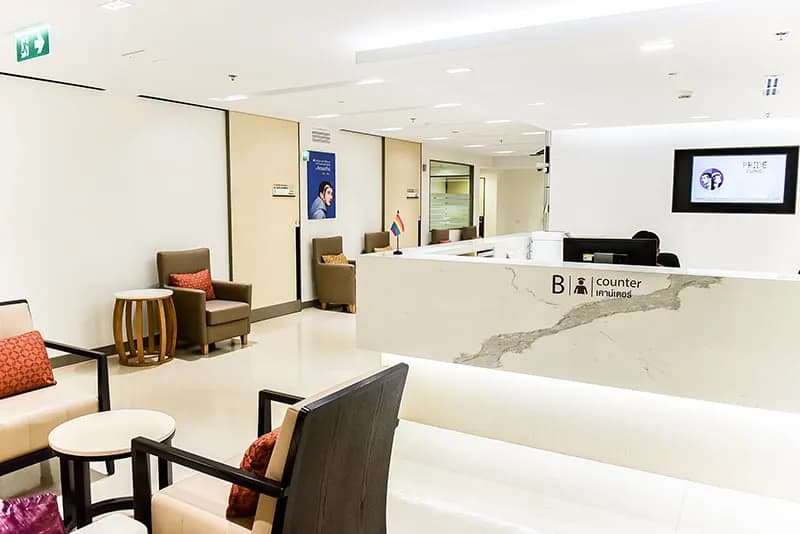
Bumrungrad International Hospital is a private hospital on Sukhumvit Soi 3 in Bangkok, accredited by JCI and HA Thailand. Its Plastic (Cosmetic) Surgery Center and Pride Clinic offer cosmetic, reconstructive, hair transplant and gender-affirming surgery.
Accreditation
- JCI
- HA Thailand
- Surgeons
- 39
- Procedures
- 36
- Beds
- 580
- Established
- 1980
- Languages
- English, Thai, Amharic, Arabic, Bengali, Bahasa Indonesia, Chinese (Cantonese), Chinese (Mandarin), French, German, Hindi, Japanese, Khmer, Korean, Mongolian, Myanmar (Burmese), Nepali, Russian, Urdu, Vietnamese, Danish, Finnish, Greek, Italian, Norwegian, Persian, Sign Language, Sinhala, Spanish, Turkish
Surgeons here
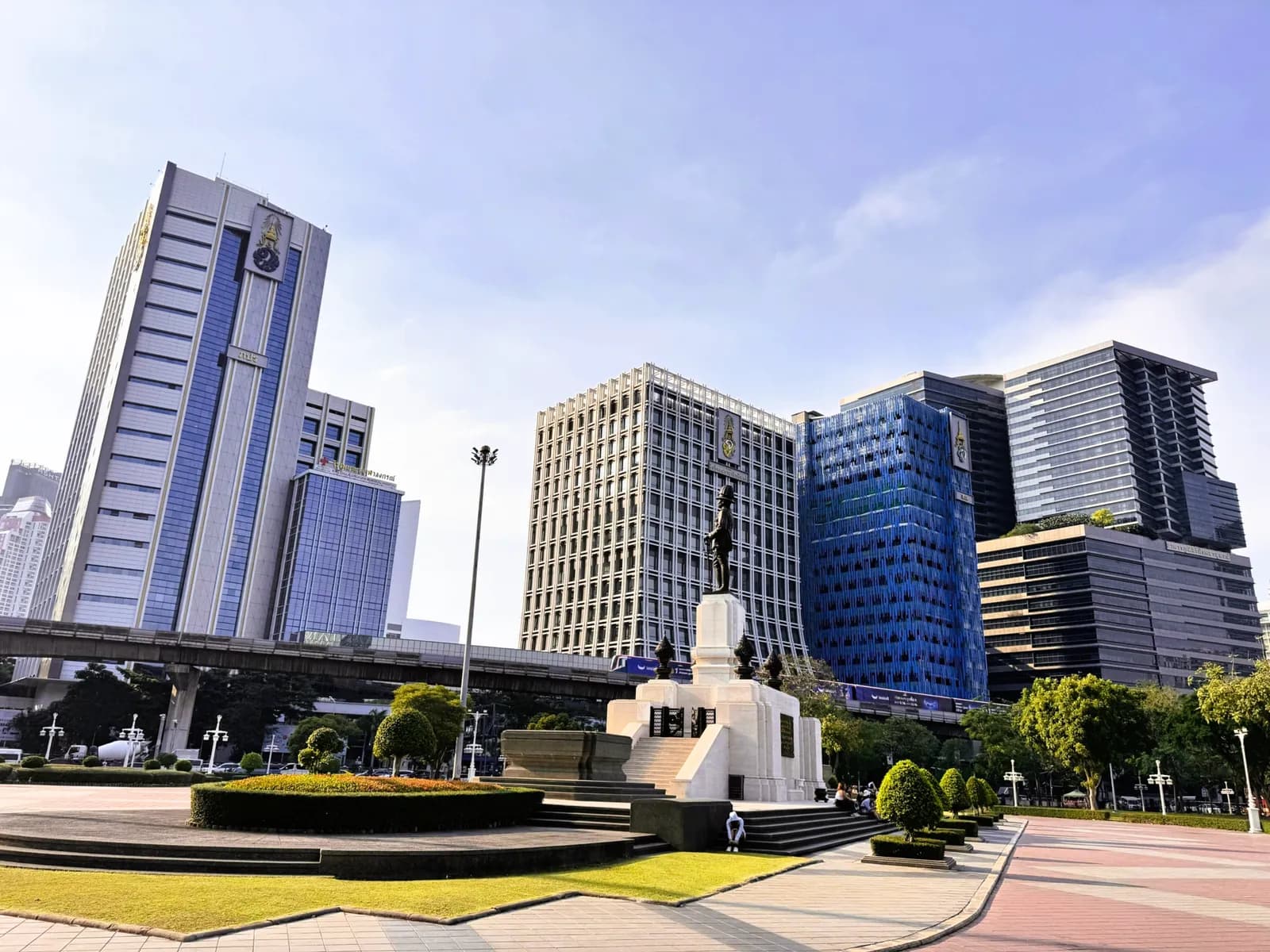
Pathumwan, Bangkok
King Chulalongkorn Memorial Hospital
โรงพยาบาลจุฬาลงกรณ์ สภากาชาดไทย
- University hospital
- Gender-affirming surgery
King Chulalongkorn Memorial Hospital (Chula Hospital, KCMH) is a Thai Red Cross Society university hospital on Rama 4 Road, Pathumwan, Bangkok, with plastic surgery, ENT facial plastic, oculoplastic and gender-affirming surgery teams.
Accreditation
- HA Thailand
- Surgeons
- 19
- Procedures
- 12
- Beds
- 1,500
- Established
- 1914
Surgeons here
International patients
Thai and English are the languages Bumrungrad lists for him. Beyond that, support for visitors from abroad varies sharply between his three Bangkok hospitals.
Of the three, Bumrungrad International Hospital documents the most for visitors from abroad; it stands on Soi Nana Nua (33 Sukhumvit 3), Watthana. Its complimentary Medical Coordination Office in Building A handles the paperwork at both ends: records review, cost estimates, appointments and telemedicine before you travel, then, after discharge, the reports, fitness-to-fly letter and follow-up plan you will need at home. On language, Bumrungrad's factsheet puts its interpreter team at more than 130, and medical travellers more comfortable in another language can turn to its Cultural Support Officers. Getting there is supported too: a hospital counter waits in the Suvarnabhumi arrivals area, a complimentary van leaves the airport roughly hourly, and on any day you can catch the hospital's free van at BTS Nana or BTS Phrom Phong. Should your recovery outlast your visa, the hospital's Business Center coordinates extensions with the Bangkok Immigration Office, for companions as well as patients. Our Bumrungrad profile records JCI accreditation and an HA Thailand Advanced Hospital re-accreditation running to 22 May 2029. One caveat applies to him specifically: his Bumrungrad timetable shows no regular outpatient clinic.
BNH Hospital is where his fixed private clinic times are published, on Tuesday and Friday from late afternoon into the evening. We have not yet researched BNH's services for overseas patients, its interpreter languages or its accreditation, so ask our team to find out what the hospital can arrange for your visit.
Chulalongkorn's own teaching hospital, King Chulalongkorn Memorial Hospital, belongs to the Thai Red Cross and is listed at 1873 Rama 4 Road, Pathumwan district; HA Thailand has accredited it at Advanced Hospital level until 22 May 2029. The official pages we could read say nothing about an international patient desk, interpreters or airport pick-ups. He sees patients there in a Monday daytime clinic.
Length of stay. Speaking generally, our guides' typical time in Thailand puts his procedures into four bands:
- 5-7 days: eyelid operations, otoplasty, chin implant
- 7-10 days: liposuction, male chest (gynecomastia) surgery, breast implants, and nose operations including alarplasty
- 10-14 days: thigh lift, breast reduction or lift, neck lift, facelift
- 12-14 days: tummy tuck
Add days before surgery for the face-to-face consultation and pre-operative tests. Your flight home should follow his review of your healing, not a pre-booked ticket. Staying near the hospital where you are operated on makes follow-up visits easier, and after body contouring ask what clot prevention, such as compression stockings, he advises for the journey.
Published by the hospitals and clinics
These services are offered and provided by each facility itself, as listed on its official site.
Bumrungrad International Hospital
- International patient desk
- Medical Coordination Office: complimentary service for international patients, with coordination physicians and nurses who help before arrival (records review, estimated prices, appointments, telemedicine, medical transport, insurers and embassies), during the stay and after discharge (medical reports, fit-to-fly, follow-up). Located on the 10th floor of Building A. Source (bumrungrad.com) (opens in a new tab)
- Cultural Support Officers for medical travel patients whose preferred language is not English, and Cultural Helpdesks (10th floor Sky Lobby, BI Clinic Building, 08:00-18:00) offering coordination, language support, escorts and concierge help Source (bumrungrad.com) (opens in a new tab)
- Over 130 interpreters Source (bumrungrad.com) (opens in a new tab)
- Hospital desk in the arrival area (Area C) of Suvarnabhumi Airport; the hospital can meet patients and provide plane-to-hospital VIP service. Airport Representative at International Arrival Hall Exit C, Gate 9, open daily 07.00-23.00 Source (bumrungrad.com) (opens in a new tab)
- Free shuttle van from Suvarnabhumi International Airport to the hospital or nearby hotels, departing hourly (subject to number of passengers) Source (bumrungrad.com) (opens in a new tab)
- Complimentary shuttle van service from BTS Nana and BTS Phrom Phong stations, 7 days a week Source (bumrungrad.com) (opens in a new tab)
- Visa extension service coordinated with the Bangkok Immigration Office for patients and accompanying persons (through the Business Center) Source (bumrungrad.com) (opens in a new tab)
- Business Center: hotel reservations, domestic and international air tickets, transport to the airport and other destinations, local tours Source (bumrungrad.com) (opens in a new tab)
- Embassy assistance and international insurance coordination Source (bumrungrad.com) (opens in a new tab)
- International Referral Offices in Australia, Bahrain, Bangladesh, Cambodia, Chad, China, Ethiopia, Hong Kong, Indonesia, Kenya, Kuwait, Laos, Mongolia, Myanmar, Nepal, Oman, Pakistan, Qatar, Russia, Sudan, UAE, Vietnam and a virtual office Source (bumrungrad.com) (opens in a new tab)
- Muslim prayer room with 300-person capacity Source (bumrungrad.com) (opens in a new tab)
- Tele-consultation with doctors Source (bumrungrad.com) (opens in a new tab)
Languages listed: English, Thai, Amharic, Arabic, Bengali, Bahasa Indonesia, Chinese (Cantonese), Chinese (Mandarin), French, German, Hindi, Japanese, Khmer, Korean, Mongolian, Myanmar (Burmese), Nepali, Russian, Urdu, Vietnamese, Danish, Finnish, Greek, Italian, Norwegian, Persian, Sign Language, Sinhala, Spanish, Turkish
How our patient team helps
- We pass your request to the surgeon's hospital or clinic and confirm availability, usually within one working day.
- You receive a booking reference to track your request.
- We answer practical questions on WhatsApp and by email.
ThaiCosmeticSurgery.com does not provide medical care. Treatment, prices and patient services are the responsibility of the hospital or clinic.
How to request a consultation with Prof. Nond Rojvachiranonda
Requests for Prof. Nond Rojvachiranonda go through our patient team via the request form. Sending one costs nothing and commits you to nothing.
- Pick a request type. A remote first opinion as an online consultation, a face-to-face in-person consultation after you reach Bangkok, or a surgery request when you already know the operation and your travel window.
- Name a hospital, or none. BNH Hospital, Bumrungrad or King Chulalongkorn Memorial Hospital, or tell us you are flexible. BNH is the only one of his private hospitals with published clinic hours, but the hospitals decide the venue.
- What we ask the hospital. Whether he has time within your dates, whether he gives remote first opinions for your procedure, and which tests or documents the hospital wants beforehand.
- What comes back to you. The hospital's available dates, whether the first meeting would be online or in person, and what would follow. Whether to go ahead is entirely your decision.
- Who confirms. Dates for a consultation or surgery become final when the hospital, not our team, confirms them; any deposit or payment schedule is also the hospital's to set.
To see who else we found at each hospital, open the pages for BNH Hospital, Bumrungrad International Hospital and King Chulalongkorn Memorial Hospital. If you would rather BNH suggested a surgeon, you can also send a request to BNH Hospital without naming one.
A request is not a confirmed appointment until our patient team confirms it with you.
What to send before a consultation with Prof. Nond Rojvachiranonda
If your first message already answers the obvious questions, Prof. Nond Rojvachiranonda's team can reply with substance rather than a list of queries. For photos, stand against a plain background in soft daylight, leave off make-up, switch off filters or beauty modes, and pin hair back for any face or ear question.
Always include
- Age, height, weight and any recent weight change
- Every medicine and supplement you take, flagging those that affect bleeding, such as aspirin, ibuprofen or some herbal products
- Smoking, vaping or other nicotine use
- Illnesses you are treated for, operations you have had, and any trouble with anaesthesia before
- Which of his hospitals you prefer and the dates you could travel
Face, eyelids, nose, jaw, cheeks and ears
- Face-on, left and right profile, and each half-turned view; for the nose, one more shot from below the tip
- Eyelids: close-ups with eyes open and lightly shut, plus the date of your last eye test and any past dry eye, glaucoma or thyroid eye disease
- Nose: earlier nose operations or injuries, blocked breathing, allergies, and the type of any implant already in place
- Jaw or cheekbones: X-rays, CT scans or dental records you already hold, and any orthodontic treatment you have had
- Ears: both ears from the front and from behind; for a split or stretched lobe, a close-up of it
Breast and body
- Standing photos with arms relaxed, taken from the front, the side and at an angle
- Breast: current cup size and the result you have in mind, notes on any earlier breast surgery, and the implant card or brand details if implants are already in place
- Gynecomastia: steroid, supplement or medicine use now or in the past, and any blood tests or scans your own doctor has arranged
- Tummy tuck, body lift or thigh lift: how much weight you have lost and over what period, any bariatric surgery, and whether you may want more children
Skin lesions and craniofacial conditions
- A mole or lump: a sharp close-up and any biopsy report with its date
- A child with a cleft or other craniofacial condition: operation notes, scans and letters from the current care team
Upload photos only through the request form or the route our patient team gives you. After looking at them he may ask for further views or tests.
Credential research
Every fact on this profile comes from a source we opened and dated. Where a source only states something, we say so.
- Medical Council of Thailand licence
- Check the Medical Council's public register (opens in a new tab)
- Profile last reviewed
Hospital and clinic affiliation
- Prof. Nond Rojvachiranonda, M.D. - Bumrungrad International Hospital (opens in a new tab)
- Prof. NOND ROJVACHIRANONDA, M.D. - BNH Hospital (opens in a new tab)
- ศ.นพ.นนท์ โรจน์วชิรนนท์ - ภาควิชาศัลยศาสตร์ จุฬาลงกรณ์มหาวิทยาลัย (opens in a new tab)
- BNH Hospital: doctor profile (opens in a new tab)
- Listed as a plastic surgeon by Bumrungrad International Hospital (opens in a new tab)
Education and training
Positions
- ศ.นพ.นนท์ โรจน์วชิรนนท์ - ภาควิชาศัลยศาสตร์ จุฬาลงกรณ์มหาวิทยาลัย (opens in a new tab)
- Princess Sirindhorn Craniofacial Center, KCMH (Wayback capture 2026-05-15) (opens in a new tab)
- Prof. Nond Rojvachiranonda, M.D. - Bumrungrad International Hospital (opens in a new tab)
- Prof. NOND ROJVACHIRANONDA, M.D. - BNH Hospital (opens in a new tab)
Society memberships
Special interests
Medical information
This profile is for information only and is not medical advice. Whether a procedure is suitable for you can only be decided after an assessment by a qualified surgeon. Every operation carries risks, and results vary from person to person. Before you commit to treatment, check the surgeon's credentials yourself, for example on the Medical Council of Thailand register. We do not accept payment for placement or rankings.
Frequently asked questions
Where does Prof. Nond Rojvachiranonda practise?
In Bangkok, at three hospitals. At King Chulalongkorn Memorial Hospital he is a Chulalongkorn University professor of plastic and reconstructive surgery, holds a Monday daytime clinic and serves as Deputy Head at the hospital's Princess Sirindhorn Craniofacial Center. BNH Hospital lists him in its Surgery Department with sessions on Tuesday and Friday from late afternoon, and Bumrungrad International Hospital includes him at its Plastic (Cosmetic) Surgery Center, although no regular outpatient clinic is shown for him there.
Is Prof. Nond Rojvachiranonda board certified in plastic surgery?
Yes, in the Thai system. Bumrungrad and Chulalongkorn both record his 1999 Thai Board diploma in plastic (plastic and reconstructive) surgery, issued under the Medical Council of Thailand, which came after a general surgery diploma in 1997 and his Chulalongkorn M.D. in 1990. ThPRS lists him as a member. The licence can be looked up on the Medical Council of Thailand's public register at checkmd.tmc.or.th, and our patient team can help you confirm it before you travel.
What is Prof. Nond Rojvachiranonda's background in craniofacial surgery?
Once he had his Thai plastic surgery board, he spent 1999-2000 on a craniofacial fellowship at the Australian Craniofacial Unit and 2000-2001 on a second one in the United States, at an institution his profiles do not name. King Chulalongkorn Memorial Hospital names him Deputy Head of its Princess Sirindhorn Craniofacial Center and describes him as a co-founder and current president of the Thai Cleft Lip-Palate and Craniofacial Association. Most of his indexed papers concern craniofacial conditions.
Does Prof. Nond Rojvachiranonda perform rhinoplasty?
Yes, according to Bumrungrad, whose list of his interests includes nose reduction, shape modification, augmentation and alarplasty (nostril narrowing). He also co-authored a 2012 study on implant position after augmentation rhinoplasty. His profile does not say whether he favours cartilage or implants, so raise it at consultation. As general guidance, allow roughly 7-10 days in Bangkok for nose surgery.
Does Prof. Nond Rojvachiranonda do facelifts and neck lifts?
Bumrungrad lists face and neck lift and endoscopic facelift under his facial cosmetic surgery. In general, a facelift targets jowls and the lower face and a neck lift the area under the chin; the brow and eyelids need separate procedures. For time away, our facelift guide gives a common range of 10-14 days in Thailand; suitability is decided only after he examines you.
Can I have eyelid or double eyelid surgery with Prof. Nond Rojvachiranonda?
Blepharoplasty, double eyelid surgery and congenital ptosis all appear among his Bumrungrad interests. He would first work out whether your lids show surplus skin, a drooping margin or both, since each needs a different operation. Plan on 5-7 days in Thailand as a general rule for lid surgery, which is when stitches usually come out.
Does Prof. Nond Rojvachiranonda perform breast surgery?
His Bumrungrad profile names augmentation, lift and reduction, plus gynecomastia surgery for men. It does not say which implants he uses. As general guidance, allow 7-10 days in Thailand for implant or gynecomastia surgery; our lift and reduction guides give 10-14 days.
Does Prof. Nond Rojvachiranonda offer liposuction and tummy tuck?
Liposuction, tummy tuck, body lift and thigh lift form the body-contouring group on his Bumrungrad profile. Liposuction reshapes fat deposits but is not a weight-loss treatment. A tummy tuck removes skin and usually repairs the abdominal muscles, so recovery takes longer: the tummy tuck guide on our site gives 12-14 days in Thailand as usual, and clot prevention for the flight should be discussed.
Does Prof. Nond Rojvachiranonda treat cleft lip, cleft palate and other craniofacial conditions?
Cleft lip, cleft palate, craniosynostosis, microsomia and facial clefts are on his Bumrungrad list, and they are the focus of the Princess Sirindhorn Craniofacial Center at King Chulalongkorn Memorial Hospital, where he is Deputy Head. In general, a team treats these conditions in stages as a child grows. Families may contact our patient team, who will forward the enquiry to the hospital.
Which languages does Prof. Nond Rojvachiranonda speak?
His Bumrungrad profile names two: Thai and English. Patients needing a third language can use Bumrungrad's interpreters and Cultural Support Officers at that hospital; comparable services at BNH Hospital or King Chulalongkorn Memorial Hospital are not documented in our research.
How do I request a consultation with Prof. Nond Rojvachiranonda?
Fill in the request form linked from this page, pick online consultation, in-person consultation or surgery request, then add the procedure, your preferred hospital and a rough travel window. We check with that hospital and passes on what it can offer. The form is free to send, and until the hospital itself says yes, no date is reserved in your name.
What information and photos should I prepare for Prof. Nond Rojvachiranonda?
Evenly lit photos of the area shot straight on, in both profiles and half-turned (for the nose, a view from below too), your medicines and supplements, any nicotine use, past operations and implant details, and your preferred hospital and dates. Add eye history for eyelid surgery and any existing X-rays or CT scans for a jaw or cheekbone question.