Key facts
- Specialty
- Facial plastic surgery (ENT)
- Subspecialties
- Otolaryngology (Thai Board of Otolaryngology, วุฒิบัตรโสต ศอ นาสิกวิทยา), Facial plastic and reconstructive surgery (Thai sub-specialty qualification: อนุสาขาศัลยศาสตร์ตกแต่ง / 'Diploma, Thai Board of Facial and Reconstructive Surgery'), Clinical interests: Facial Plastic & Reconstructive surgery, Tissue Engineering, Stem Cell-Tissue Engineering & Organ Synthesis
- Academic title
- Associate Professor
- City
- Bangkok, Thailand
- Practises at
- Masterpiece Hospital, King Chulalongkorn Memorial Hospital
- Medical school
- Faculty of Medicine, Prince of Songkla University (English page: 'Faculty of Medicine, Prince Songkla University'; Thai page: คณะแพทยศาสตร์ มหาวิทยาลัยสงขลานครินทร์)
- Fellowship
- Harvard University, USA (published as 'Hardvard University, USA')
- Societies
- The Royal College of Otolaryngologists-Head and Neck Surgeons of Thailand (ราชวิทยาลัยโสต ศอ นาสิกแพทย์แห่งประเทศไทย) (RCOT)
- Special interests
- Facial plastic and reconstructive surgery (Thai: ศัลยศาสตร์ตกแต่งและเสริมสร้างใบหน้า; English page: 'Facial Plastic & Reconstructive surgery'); Tissue engineering (วิศวกรรมเนื้อเยื่อ); Stem Cell-Tissue Engineering & Organ Synthesis
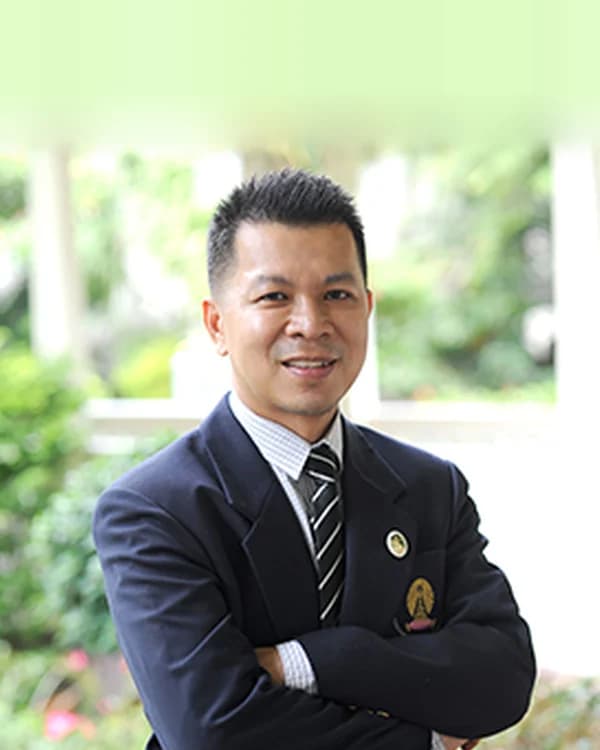
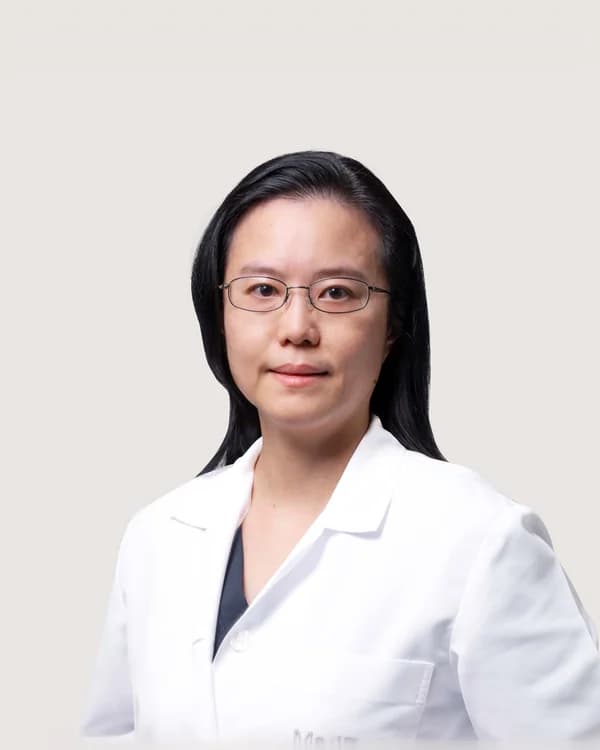
Assoc. Prof. Tanom Bunaprasert: an ENT-trained facial plastic surgeon at Chula Hospital, Bangkok
Assoc. Prof. Tanom Bunaprasert, M.D. (Thai: รองศาสตราจารย์ นายแพทย์ถนอม บรรณประเสริฐ) came to facial plastic and reconstructive surgery by way of otolaryngology, the medical specialty of the ear, nose and throat (ENT). Chulalongkorn University's Faculty of Medicine lists him at the rank of Associate Professor in its Otolaryngology Department, and he holds his clinics and operating lists at the faculty's teaching hospital, King Chulalongkorn Memorial Hospital. Most people call it KCMH or simply Chula Hospital; it stands on Rama 4 Road in the Pathumwan district of central Bangkok.
Three clinical interests appear on his department profile: facial plastic and reconstructive surgery, tissue engineering, and a laboratory field the page calls 'Stem Cell-Tissue Engineering & Organ Synthesis'. His specialist papers are the Thai Board of Otolaryngology and, later, a Thai sub-specialty qualification in facial plastic and reconstructive surgery. Between the two he trained abroad on a fellowship in head and neck reconstructive surgery and facial plastic surgery, which his profile credits to Harvard University in the USA.
Assoc. Prof. Tanom in brief
- Field: facial plastic and reconstructive surgery, built on ENT (otolaryngology) specialist training
- Post: Associate Professor, Otolaryngology, Chulalongkorn University Faculty of Medicine
- Hospital: King Chulalongkorn Memorial Hospital, Bangkok; no other hospital or clinic is named for him on any official page we read
- Membership: RCOT, the Thai royal college for ENT surgeons, whose public member search lists him
- Weekly pattern: ENT outpatient sessions on Tuesday and Friday, the Plastic Surgery Clinic on Tuesday afternoon, and operating from Wednesday to Friday
How an ENT route leads to facial surgery. In Thailand, operations on the face are done by specialists from several backgrounds. Plastic surgeons qualify through general surgery; oculoplastic surgeons come from ophthalmology; facial plastic surgeons such as Assoc. Prof. Tanom start in otolaryngology, where training centres on the nose, airway, ears, head and neck. This explains why the ENT royal college, and not the plastic surgery societies, carries his name.
Limits of what we can confirm. His official pages set out a specialty and interests; they stop short of listing cosmetic operations that he offers. For that reason this profile names no procedure as one he performs. If you request a consultation, our patient team puts your specific question to his department before anything is arranged.
Education and training
- Medical degree1990
Bachelor degree in Medicine, as published on the English page ('Bachelor degree in Medicine (1990)'); Thai page: แพทยศาสตร์บัณฑิต (2533 BE = 1990 CE)
Faculty of Medicine, Prince of Songkla University (English page: 'Faculty of Medicine, Prince Songkla University'; Thai page: คณะแพทยศาสตร์ มหาวิทยาลัยสงขลานครินทร์), Thailand
Source (ent.md.chula.ac.th) (opens in a new tab) - Fellowship2002
Fellowship in Head and Neck Reconstructive Surgery and Facial Plastic Surgery (published as 'Head and Neck Reconsructive Surgery'); 2545 BE on the Thai page, 2002 on the English page
Harvard University, USA (published as 'Hardvard University, USA'), United States
Source (ent.md.chula.ac.th) (opens in a new tab) - Board certification1996
Thai Board of Otolaryngology (วุฒิบัตรโสต ศอ นาสิกวิทยา), published as 2539 BE on the Thai page and 1996 on the English page
The Medical Council of Thailand (แพทยสภา), Thailand
Source (ent.md.chula.ac.th) (opens in a new tab) - Board certification2005
Sub-specialty qualification in facial plastic surgery: Thai page 'อนุสาขาศัลยศาสตร์ตกแต่ง (2548)'; English page 'Diploma, Thai Board of Facial and Reconstructive Surgery (2005)'
The Medical Council of Thailand (แพทยสภา), Thailand
Source (ent.md.chula.ac.th) (opens in a new tab)
Two versions of his Chulalongkorn ENT profile, one Thai and one English, carry his training record. The Thai page dates each step in the Buddhist Era (2533, 2539, 2545 and 2548), and the English page converts them to 1990, 1996, 2002 and 2005, the years used below.
- 1990: medical degree. A Bachelor degree in Medicine (แพทยศาสตร์บัณฑิต) from the Faculty of Medicine at Prince of Songkla University, Thailand.
- 1996: ENT board. The Thai Board of Otolaryngology, the national specialist certificate for ear, nose and throat surgery, awarded under the authority of the Medical Council of Thailand (แพทยสภา).
- 2002: US fellowship. Fellowship training in head and neck reconstructive surgery and facial plastic surgery; the institution is given as Harvard University, USA.
- 2005: facial plastic sub-specialty. A Thai sub-specialty qualification in facial plastic surgery. The English page words it as 'Diploma, Thai Board of Facial and Reconstructive Surgery'; the Thai page lists it as อนุสาขาศัลยศาสตร์ตกแต่ง.
Where the fellowship was based. The profile names a university, not a hospital. In 2003 he co-authored a preliminary report in *The Laryngoscope* on tongue reconstruction using tissue-engineered muscle, and that paper lists his affiliation as the Department of Otolaryngology, Massachusetts Eye and Ear Infirmary, Boston, which falls within the fellowship period. Because no official page calls that hospital his fellowship site, we mention the paper only as context.
Reading the sequence. Each step builds on the one before: a general medical degree, full specialist certification in ENT, overseas fellowship training in head and neck reconstruction and facial plastic surgery, and finally a Thai sub-specialty qualification in facial plastic and reconstructive surgery. His facial surgery training therefore rests on an otolaryngology board rather than a general-surgery or plastic-surgery board, which is useful context when you compare surgeons.
Alumni recognition. Prince of Songkla University named him an outstanding alumnus (ศิษย์เก่าดีเด่น) in 2012 (Buddhist Era 2555), according to both of his department profiles.
Licence check. The licence can be looked up on the Medical Council of Thailand's public register at checkmd.tmc.or.th, and our patient team can help you confirm it before you travel. None of the pages we used shows a licence number for him. The specialist qualifications listed here are as stated by his university department. You can try the register yourself with his Thai or English name, and the steps we follow to verify doctors are set out in our research methodology.
Professional experience
- Current
Associate Professor (รองศาสตราจารย์), faculty member in the civil-servant (ข้าราชการ) staff category, Department of Otolaryngology (ภาควิชาโสต ศอ นาสิกวิทยา)
Faculty of Medicine, Chulalongkorn University (King Chulalongkorn Memorial Hospital)
Source (ent.md.chula.ac.th) (opens in a new tab) - Current
Listed in the department's schedule for the Plastic Surgery Clinic (คลินิกศัลยกรรมตกแต่ง, Tuesday afternoon special-clinic session), for general ENT outpatient sessions (Tuesday morning and afternoon, Friday) and for operating days (Wednesday to Friday)
Department of Otolaryngology, Faculty of Medicine, Chulalongkorn University / King Chulalongkorn Memorial Hospital
Source (ent.md.chula.ac.th) (opens in a new tab)
His post. Assoc. Prof. Tanom holds the rank of รองศาสตราจารย์ (Associate Professor) within Chulalongkorn's ENT department. The department's staff list groups him with its civil-servant (ข้าราชการ) faculty, and the Faculty of Medicine's online directory also records the Associate Professor title, abbreviated รศ.นพ. in Thai. One older academic-works page on the department website still carries his previous rank, Assistant Professor (ผู้ช่วยศาสตราจารย์), which is why both titles turn up in searches.
Weekly timetable. We read the department's published schedule on 27 September 2026. It places him in:
- general ENT outpatient clinics on Tuesday, both morning and afternoon, and on Friday;
- a Tuesday-afternoon special session called the Plastic Surgery Clinic (in Thai, คลินิกศัลยกรรมตกแต่ง);
- the operating theatre from Wednesday through Friday.
Morning sessions are 09.00–12.00 and afternoon sessions 13.00–16.00; the enquiry number printed on the schedule is 02-256-5223. His name does not appear in the department's separate after-hours (นอกเวลาราชการ) clinic table. Because the roster can change, we look at the live schedule again whenever we propose a date to you.
Teaching and lectures. The department's academic-works page names him as course coordinator for cadaveric dissection courses held at the Chula Soft Cadaver Surgical Training Center between 2012 and 2014. The same page records talks and presentations on these subjects:
- the anatomy of the soft tissues of the face;
- suture-sling facelift technique (2004);
- alarplasty, an operation on the base of the nostrils (2007);
- fat grafting and facial contouring (2011–2012);
- tissue necrosis from a reduced blood supply after filler injections (2015);
- facial lipoplasty for rejuvenation, given at KCCS in Seoul (2015);
- 'Septorhinoplasty: Surgical Technique', given to the Thai Rhinologic Society (2015).
A lecture topic shows what a surgeon has taught and studied. It is not evidence of the operations he currently offers patients, and we have kept the two apart on this page.
Laboratory research. His PubMed record centres on tissue engineering, and each of the eight studies summarised here also appears on the department's own list of his publications:
- 2003, *The Laryngoscope*: the preliminary report on implanting tissue-engineered muscle for tongue reconstruction;
- 2006, *Journal of the Medical Association of Thailand*: cartilage grown on a porous polycaprolactone–alginate scaffold, in a paper whose title calls it the first report of tissue engineering in Thailand;
- 2007 and 2009: two studies of electrospun polymer fibre mats and scaffolds, one on biocompatibility and one on attaching biomolecules to the fibre surface;
- 2008: a pressure-based technique for making acellular dermis from pig skin;
- 2010: how tissue responds to, and breaks down, composite scaffolds of Thai silk fibroin, gelatin and hydroxyapatite;
- 2012: a collagen scaffold combined with an *Acanthus ebracteatus* plant extract for closing full-thickness wounds in mice;
- 2013: collagen and demineralised bone powder scaffolds with periosteum-derived cells, for bone tissue engineering.
Society listings. RCOT (the Royal College of Otolaryngologists of Thailand, whose full title adds 'Head and Neck Surgeons') lists him in its public member search, which we ran on 27 September 2026. His name is absent from three other lists we searched: the ThPRS roll of Thai plastic and reconstructive surgeons, an archived copy of the ThSAPS aesthetic surgeons' directory, and the online surgeon finder of AAFPRS, the American facial plastic surgery academy. None of those absences is surprising for a surgeon who qualified through ENT, and his own profiles do not claim membership of any society.
Selected publications
- Tissue engineering of cartilage with porous polycarprolactone--alginate scaffold: the first report of tissue engineering in Thailand. (opens in a new tab) · Journal of the Medical Association of Thailand, 2006
- Tissue engineered muscle implantation for tongue reconstruction: a preliminary report. (opens in a new tab) · The Laryngoscope, 2003
- Development of collagen/demineralized bone powder scaffolds and periosteum-derived cells for bone tissue engineering application. (opens in a new tab) · International Journal of Molecular Sciences, 2013
- Acanthus ebracteatus Vahl. ethanol extract enhancement of the efficacy of the collagen scaffold in wound closure: a study in a full-thickness-wound mouse model. (opens in a new tab) · Journal of Biomedicine & Biotechnology, 2012
- Tissue response and biodegradation of composite scaffolds prepared from Thai silk fibroin, gelatin and hydroxyapatite. (opens in a new tab) · Journal of Materials Science: Materials in Medicine, 2010
- Immobilization of biomolecules on the surface of electrospun polycaprolactone fibrous scaffolds for tissue engineering. (opens in a new tab) · ACS Applied Materials & Interfaces, 2009
- Development of acellular dermis from porcine skin using periodic pressurized technique. (opens in a new tab) · Journal of Biomedical Materials Research Part B: Applied Biomaterials, 2008
- In vitro biocompatibility of electrospun poly(3-hydroxybutyrate) and poly(3-hydroxybutyrate-co-3-hydroxyvalerate) fiber mats. (opens in a new tab) · International Journal of Biological Macromolecules, 2007
Facial plastic and reconstructive surgery with Assoc. Prof. Tanom: what is documented and what to ask
The only clinical area his official pages document is facial plastic and reconstructive surgery. Below, each subject a patient might bring to him is split into what his records show and what is general guidance only.
1. Facial plastic and reconstructive surgery. This is the named interest on his profile, and the schedule puts him in the ENT department's Plastic Surgery Clinic on Tuesday afternoons. His department's Facial Plastic and Reconstructive Surgery unit describes four services: head and neck reconstruction, reanimation for facial nerve problems, aesthetic facial reconstruction, and aesthetic facial surgery. KCMH's page for this ENT division adds detail: facial reanimation, head and neck plastic procedures for patients whose cancer has been operated on, and cosmetic surgery done in partnership with dermatologists, plastic surgeons and the hospital's oculoplastic team. Neither page names individual surgeons, so read these as the unit's services, not as a record of his own cases.
In general, rebuilding part of the face after cancer surgery or trauma has to take account of the earlier treatment, so surgeons usually ask to see the operation notes, pathology, imaging and any radiotherapy details. Facial reanimation addresses weakness or paralysis from facial nerve damage; the options depend on what caused the damage and how long ago it happened, which only an examination and tests can settle.
2. The nose: septorhinoplasty and the nostril base. In 2015 he lectured the Thai Rhinologic Society on 'Septorhinoplasty: Surgical Technique', and in 2007 he presented on alarplasty. Neither his profiles nor his timetable list nose surgery as a service, so please ask our team to check that he takes cosmetic or breathing-related nose cases before you book flights. As general background, septorhinoplasty combines straightening of the internal septum, to help airflow, with reshaping of the outer nose, while alar base reduction reduces the width or flare of the nostrils; ask where any incisions would be placed. For rhinoplasty, our procedure page puts a common stay in Thailand at 7–10 days, a stretch that normally lets the outer splint come off and healing be checked at the clinic, and it warns that the nasal tip can keep changing for 12 months or longer. Swelling, breathing difficulty, asymmetry and the need for a revision are among the risks that page describes, and your suitability for any nose operation can be judged only at an examination.
3. Facial rejuvenation: lifting and fat transfer. Suture-sling facelifting, fat grafting with facial contouring, and facial lipoplasty for rejuvenation all feature in his lecture record, together with teaching on the soft-tissue anatomy of the face. His profiles list none of them as a service. Speaking generally, the aim of a facelift is to reposition sagging deeper tissue in the jowl and neck area and trim surplus skin; brow, eyelid and fine-line concerns sit outside what it treats and need separate procedures. Facelift patients, according to our procedure page, are commonly advised to remain in Thailand for 10–14 days so that stitches can come out and early problems, a haematoma among them, can be spotted before the flight home. Fat grafting to the face takes fat from another part of your own body and places it where the face has lost volume. If it is proposed to you, ask how much of the grafted fat the surgeon expects to keep and whether a second session might be needed.
4. Problems after filler injections. His 2015 presentation dealt with tissue death caused by fillers cutting off blood supply. That is an academic topic, not a listed service. In general, if you notice worsening pain, pale, dusky or blotchy skin around an injection site, or any change in vision after a filler, get urgent medical care where you are; do not wait to arrange an appointment abroad.
5. Tissue engineering and stem cells. His interests in tissue engineering and in stem cell–tissue engineering and organ synthesis belong to the laboratory. His profiles present no tissue-engineered or stem cell product as a patient treatment, and research interest should not be read as a clinical service. If any clinic offers you a 'stem cell' facial treatment and cites research of this kind, ask precisely what would be injected and whether Thai regulators have approved it.
Questions to ask Assoc. Prof. Tanom Bunaprasert at a Chula Hospital consultation
Seeing Assoc. Prof. Tanom means working within the outpatient system of a large public university hospital, and that affects what you should ask. We suggest the following, grouped by topic.
Is he the right surgeon for my case?
- Do you operate yourself on the problem I have described, and would I see you in the Tuesday Plastic Surgery Clinic or in a general ENT session?
- If a colleague at KCMH, for example a plastic surgeon from the Department of Surgery or an oculoplastic surgeon from ophthalmology, would suit my case better, who would you recommend?
Nose concerns
- Does my breathing need attention too, and would the septum or nasal valves be corrected during the same operation?
- Would support for the new shape come from cartilage taken from my septum, ear or rib, or from an implant, and why would that material suit my nose?
- Do you plan an open or a closed approach, and where would scars sit?
- For a revision: has enough time passed? Our rhinoplasty page notes that surgeons generally prefer a year or more between the previous nose operation and a revision, so that swelling can settle.
Rejuvenation or fat transfer
- Which of my concerns would this operation address, and which would need something else, such as brow or eyelid surgery?
- Where would the incisions be, and how do you reduce and manage the risks of haematoma and facial nerve weakness?
- For fat grafting: which donor area would you use, and what recovery should I expect there?
Reconstruction and facial nerve problems
- Which records do you need from my previous surgeon, oncologist or neurologist before giving advice?
- Which KCMH teams would share in planning or follow-up?
Practical points at a teaching hospital
- Which building and theatre will I be treated in, and who will give the anaesthetic?
- In general, doctors in training take part in care at university hospitals. Who will be on my operating team, and what will trainees do?
- Will I stay overnight, for how many nights, and what does the written quote cover and exclude?
- After I fly home, how does follow-up work, and could my operation notes be written up or translated into English?
Photos help start the discussion; in general, though, no plan is final until Assoc. Prof. Tanom has examined you at KCMH himself and judged the operation appropriate in your case.
Hospitals and clinics where Assoc. Prof. Tanom Bunaprasert practises
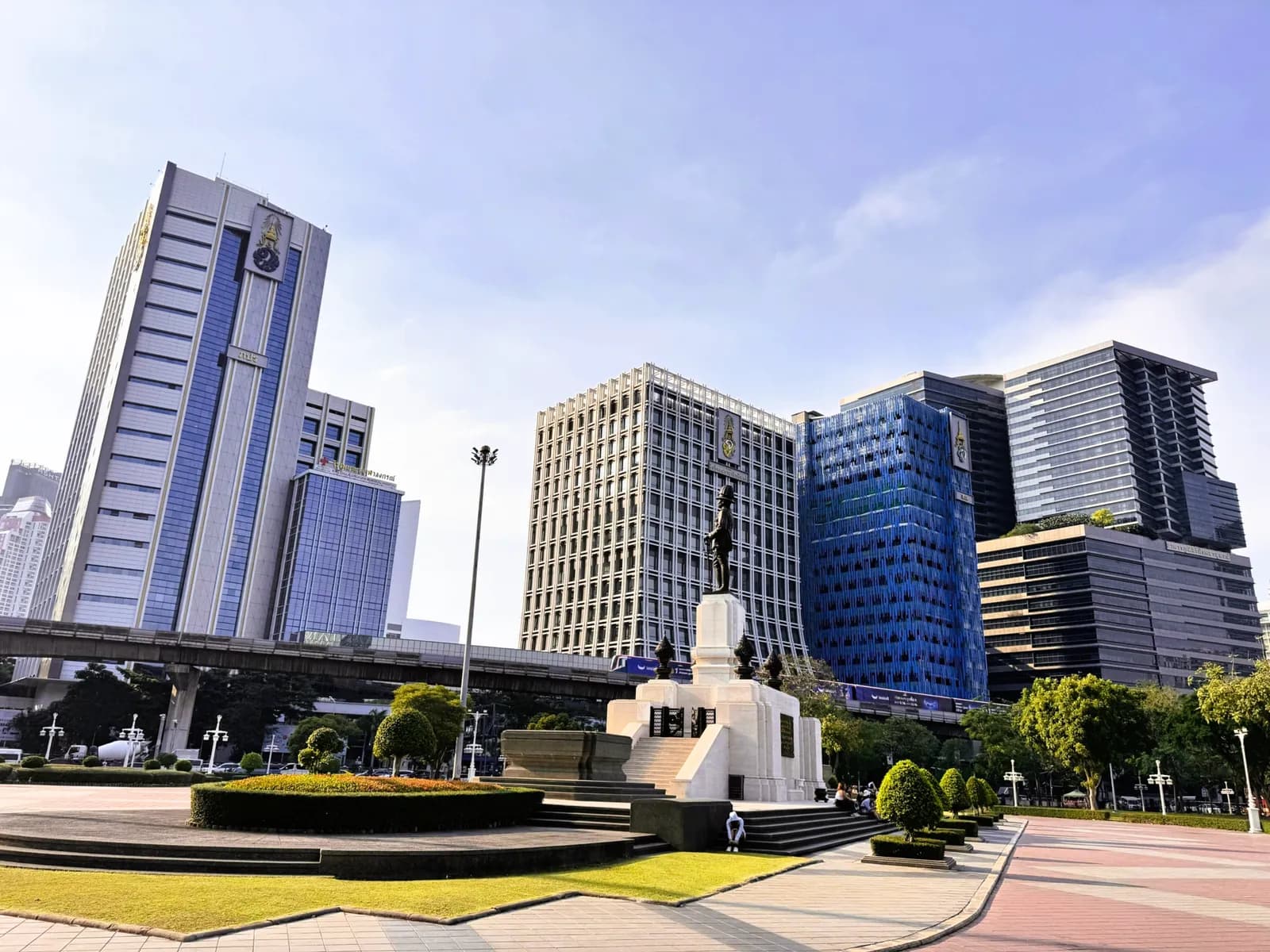
Dusit, Bangkok
Masterpiece Hospital
โรงพยาบาลมาสเตอร์พีช
- Cosmetic surgery hospital
- Gender-affirming surgery
Masterpiece Hospital (โรงพยาบาลมาสเตอร์พีช) is a cosmetic surgery hospital in Dusit, Bangkok, with 14 beds and 7 operating rooms. AACI lists it as accredited; 21 of its surgeons are profiled here.
Accreditation
- AACI (American Accreditation Commission International)
- Surgeons
- 21
- Procedures
- 28
- Beds
- 14
- Established
- 2013
Surgeons here

Pathumwan, Bangkok
King Chulalongkorn Memorial Hospital
โรงพยาบาลจุฬาลงกรณ์ สภากาชาดไทย
- University hospital
- Gender-affirming surgery
King Chulalongkorn Memorial Hospital (Chula Hospital, KCMH) is a Thai Red Cross Society university hospital on Rama 4 Road, Pathumwan, Bangkok, with plastic surgery, ENT facial plastic, oculoplastic and gender-affirming surgery teams.
Accreditation
- HA Thailand
- Surgeons
- 19
- Procedures
- 12
- Beds
- 1,500
- Established
- 1914
Surgeons here
International patients
About KCMH. A Thai Red Cross Society hospital, Chula Hospital also serves as the teaching hospital for Chulalongkorn's Faculty of Medicine. Founded in 1914, it is described on a Faculty of Medicine facts page as having more than 1,500 beds; treat that as approximate, since the same page carries figures from 2018. In the HA Thailand database, its Advanced Hospital Accreditation shows a re-accreditation dated 23 May 2025, running until 22 May 2029. Joint Commission International (JCI) had no entry for the hospital in its online directory at our 27 September 2026 check. More detail is on our KCMH hospital page.
Help for overseas patients. No official KCMH page that we could find describes an international patient centre, interpreter service, airport transfers or a set of supported languages, even though an English edition of the hospital website exists. Medical-tourism websites make such claims; we leave them out because no official source backs them.
Language. No page states which languages Assoc. Prof. Tanom speaks with patients. An English-language profile page exists for him, but that does not by itself tell you the language of the consultation. Our team can ask before you travel, and bringing a Thai speaker is sensible.
Getting there and finding the right desk. Taxi drivers know it as Chula Hospital on Rama 4 Road; the full address is number 1873 on that road, Pathumwan, Bangkok 10330. Inside the gates, expect a campus of many separate buildings. These are the contacts that matter for his patients:
- KCMH facial plastic clinic (Facial Plastic and Reconstructive Surgery Clinic): twelfth floor, ภปร (Bhor Por Ror) Building; weekdays from 08.00, closing at 16.00; phone 02 256 5223 (+66 2 256 5223 when calling from abroad). His timetable does not name the room for his own sessions, so our team confirms where you should go.
- Otolaryngology department office: Chumbhotbongparibatra Building, 1st floor, phone 0-2256-4103
- Hospital switchboard: 02-256-4000
Much of what we used, his timetable included, is published in Thai only. At information counters, showing his Thai name (ถนอม บรรณประเสริฐ) with the department name ภาควิชาโสต ศอ นาสิกวิทยา is the quickest way to be pointed in the right direction.
Choosing dates. All his listed sessions are weekday, office-hours sessions: clinics on Tuesday and Friday, surgery Wednesday to Friday. Check Thai public holidays against your travel dates too. If an operation is agreed, how long you stay depends on what is done. Our procedure pages give general figures only: commonly 7–10 days in the country for a rhinoplasty patient, and 10–14 days for someone having a facelift. Clearance to fly home comes from the operating surgeon. A changeable return ticket helps if a follow-up visit moves.
Published by the hospitals and clinics
These services are offered and provided by each facility itself, as listed on its official site.
Masterpiece Hospital
- Free consultation request form on the official website, with the option of an online consultation Source (masterpiecehospital.com) (opens in a new tab)
- International contact channels listed on the contact page (WhatsApp, WeChat, LINE and Telegram), with separate contact lines for patients from Cambodia, Indonesia and China Source (masterpiecehospital.com) (opens in a new tab)
How our patient team helps
- We pass your request to the surgeon's hospital or clinic and confirm availability, usually within one working day.
- You receive a booking reference to track your request.
- We answer practical questions on WhatsApp and by email.
ThaiCosmeticSurgery.com does not provide medical care. Treatment, prices and patient services are the responsibility of the hospital or clinic.
Requesting a consultation with Assoc. Prof. Tanom Bunaprasert through our team
To see Assoc. Prof. Tanom, start with our consultation request form. On the form you can choose between an online consultation, meeting him in person in Bangkok, or asking about a surgery date.
Steps after you submit
- Our team, which works independently of KCMH, reviews your message together with any photos or records.
- We contact his department to find out whether he takes your kind of case and which clinic session has space.
- We then write back with what the department can offer: the consultation format, possible dates, anything he needs from you in advance, and what happens next.
- Nothing is booked instantly: a date becomes an appointment only after the hospital agrees it and we pass that confirmation to you.
Using our service to request a consultation costs nothing and commits you to nothing. His pages do not say whether he looks at photos remotely before meeting a patient, so we raise that question for you.
If your case is outside his work, or his sessions do not match your dates, we can suggest other KCMH surgeons, including the Department of Surgery's plastic surgeons, or you can ask for a consultation at KCMH without choosing a surgeon. The way we check the information on this page is described in our research methodology.
A request is not a confirmed appointment until our patient team confirms it with you.
What to send with a consultation request for Assoc. Prof. Tanom
Good preparation helps his department reply sooner and with more useful advice. Please send material through the booking form, not over public messaging apps or social media.
Everyone
- Full name as it appears in your passport, your age, country of residence and the dates you have in mind
- A few sentences on what you want changed or treated, and your reasons
- Your health conditions, any regular medicines, vitamins or herbal supplements, known allergies, and your smoking or nicotine use
- Any earlier surgery on the face, head or neck, with dates, plus fillers, threads or implants you have had (with product names and dates where known)
Nose
- A front-facing photo, a profile from the left and from the right, and a base view taken from below so the nostrils show; use daylight or steady indoor light, and take off make-up and glasses first
- Notes on any breathing problem, which side is worse, and any earlier injury to the nose
- Operation notes from previous nose surgery, including the graft or implant material
Rejuvenation or fat grafting
- Straight-on, left, right and both oblique (three-quarter) photos, with the face relaxed and hair pulled away from it
- Details of earlier facial treatments, such as fillers, threads and laser or other energy-based skin treatments
Reconstruction or facial nerve problems
- Operation notes, pathology results and your latest scan reports from the team that treated you
- Dates and details of radiotherapy or chemotherapy, if you had them
- When the facial weakness started, its cause, and any nerve tests you have had
- A short video showing your face at rest and while raising your eyebrows, closing your eyes and smiling
Earlier filler complication
- Which product was injected, when and where, the treatment given afterwards, and any photos taken at the time
Thai or English records are the easiest for the department to read; for other languages, include a translated summary.
Credential research
Every fact on this profile comes from a source we opened and dated. Where a source only states something, we say so.
- Medical Council of Thailand licence
- Check the Medical Council's public register (opens in a new tab)
- Profile last reviewed
Hospital and clinic affiliation
Education and training
Positions
Society memberships
Special interests
Medical information
This profile is for information only and is not medical advice. Whether a procedure is suitable for you can only be decided after an assessment by a qualified surgeon. Every operation carries risks, and results vary from person to person. Before you commit to treatment, check the surgeon's credentials yourself, for example on the Medical Council of Thailand register. We do not accept payment for placement or rankings.
Frequently asked questions
Who is Assoc. Prof. Tanom Bunaprasert?
An Associate Professor in Chulalongkorn University's Otolaryngology Department who works as a facial plastic and reconstructive surgeon, having trained first in ENT. His clinics and operations take place at King Chulalongkorn Memorial Hospital (Chula Hospital) in Bangkok. In Thai his name is written ถนอม บรรณประเสริฐ.
Where does Assoc. Prof. Tanom Bunaprasert practise?
At KCMH, the Chulalongkorn University teaching hospital on Rama 4 Road, Pathumwan, Bangkok. No other hospital or clinic is named for him on any official page we read. KCMH's facial plastic clinic sits on the twelfth floor of the ภปร (Bhor Por Ror) Building, though our team confirms which room his own session uses.
Did Assoc. Prof. Tanom qualify through plastic surgery or through ENT?
His base specialty is ENT, and his narrower field is facial plastic and reconstructive surgery. The record runs: Thai Board of Otolaryngology in 1996, a US fellowship in head and neck reconstructive and facial plastic surgery in 2002, then the Thai facial plastic and reconstructive sub-specialty qualification in 2005. His published qualifications do not include the Thai plastic surgery board.
Which days is Assoc. Prof. Tanom in clinic at Chula Hospital?
According to the department schedule we read on 27 September 2026: general ENT clinics on Tuesday morning and afternoon and on Friday, the Plastic Surgery Clinic on Tuesday afternoon, and operating lists from Wednesday to Friday. He is not in the after-hours clinic table. We check the latest schedule before suggesting a date.
Does Assoc. Prof. Tanom perform rhinoplasty or septorhinoplasty?
We cannot confirm it: his profiles do not name nose surgery among his services. His lecture record does include 'Septorhinoplasty: Surgical Technique' for the Thai Rhinologic Society in 2015 and an alarplasty presentation in 2007. If you have a nose concern, we will put your photos and question to his department and tell you what they say.
Does Assoc. Prof. Tanom perform facelifts or facial fat grafting?
Possibly, but his profile does not list them as services. Suture-sling facelifting, fat grafting and facial contouring, and facial lipoplasty for rejuvenation are among his lecture topics, but lectures are not a published list of services. Please let our team check with the department before planning travel.
Why isn't Assoc. Prof. Tanom listed by the Thai plastic surgery societies?
Because he qualified through otolaryngology. His confirmed membership is with RCOT, Thailand's royal college for ENT surgeons. The plastic surgery societies mainly list surgeons certified on the plastic surgery pathway, so an ENT-trained facial plastic surgeon would not normally be on them.
Does Assoc. Prof. Tanom offer stem cell or tissue-engineered treatments?
None is listed on his profiles. Tissue engineering and stem cell–tissue engineering are research interests, and his published studies concern laboratory scaffolds and experimental models. Research in a field is not the same as a treatment offered to patients.
What accreditation does King Chulalongkorn Memorial Hospital hold?
KCMH holds HA Thailand's Advanced Hospital Accreditation, most recently renewed in May 2025 and listed by HA Thailand as running until 22 May 2029. No KCMH entry came up when we searched the JCI directory on 27 September 2026.
How can I arrange to see Assoc. Prof. Tanom Bunaprasert?
Use our [consultation request form](/book/?doctor=tanom-bunaprasert) and say whether you would prefer an online or an in-person consultation. We then approach his department at KCMH to ask whether your case fits his work and when he has a session free, and report back. Sending a request costs nothing; only a hospital-confirmed date, passed on by our team, counts as an appointment.
What records help Assoc. Prof. Tanom's department assess my case?
Clear photos of the area concerned (for the nose: front, each side and from below), a summary of your health, medicines and allergies, plus a list of earlier facial surgery, fillers or implants. For reconstruction or facial nerve problems, also send operation notes, pathology and scan reports, and a short video of your face moving.
Can I check Assoc. Prof. Tanom's qualifications myself?
Partly. His training and rank appear on his Chulalongkorn ENT department profiles in Thai and English, and RCOT's public member search lists his name. The licence can be looked up on the Medical Council of Thailand's public register at checkmd.tmc.or.th, and our patient team can help you confirm it before you travel.