Key facts
- Specialty
- Oculoplastic surgery (ophthalmology)
- Subspecialties
- สาขาจักษุวิทยาตกแต่งและเสริมสร้าง (oculoplastic and reconstructive ophthalmology; Chulalongkorn Eye Center staff listing), Ophthalmic Plastic and Reconstructive Surgery (Oculoplastic and Reconstructive Surgery) (Synphaet Srinakarin Hospital 'Specialities')
- City
- Bangkok, Thailand
- Practises at
- King Chulalongkorn Memorial Hospital
- Medical school
- Chulalongkorn University
- Societies
- Thai Society of Ophthalmic Plastic and Reconstructive Surgery (Thai SOPRS)
- Procedures
- 1 documented procedure
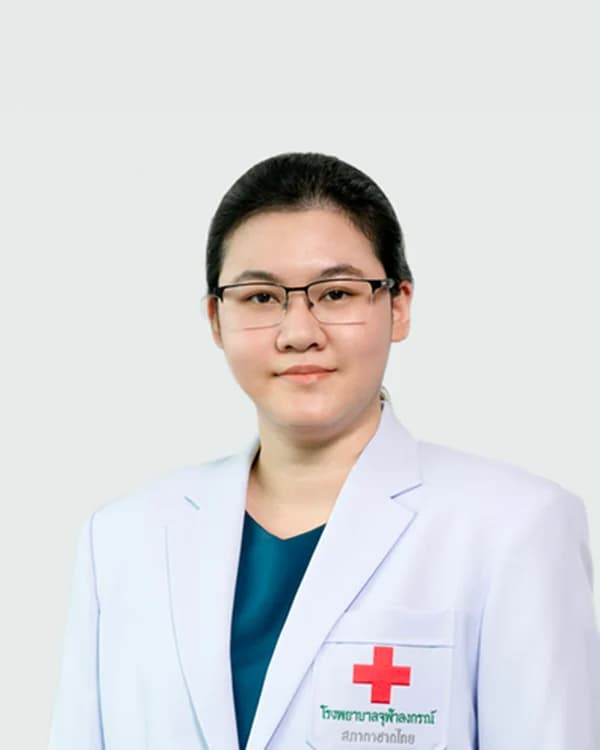
Dr. Panida Potita: oculoplastic surgeon at Chulalongkorn Eye Center in Bangkok
Dr. Panida Potita (Thai: ปณิดา โพธิตา; written อ.พญ.ปณิดา โพธิตา on her department profile) is an oculoplastic surgeon working in Bangkok, Thailand. Her main post is a lectureship in Chulalongkorn University's ophthalmology department, which also goes by the name Chulalongkorn Eye Center and is housed in King Chulalongkorn Memorial Hospital in Pathumwan. That hospital is operated by the Thai Red Cross Society, and the university trains its medical students and junior doctors there. On the department's staff listing she appears under oculoplastic and reconstructive ophthalmology (สาขาจักษุวิทยาตกแต่งและเสริมสร้าง), and the department's Oculoplastic and Reconstructive Ophthalmology Unit names her as one of its own faculty.
Oculoplastics is the branch of eye surgery given over to plastic and reconstructive work. Its territory is the eyelids, the small channels that carry tears down into the nose, and the orbit, meaning the cavity of bone that surrounds the eyeball. Surgeons in this field arrive through ophthalmology training rather than general plastic surgery. For someone with a drooping lid, that background is most relevant where the lid and the eye affect each other: whether the eye still shuts completely after surgery, how much of the upper field of vision a low lid takes away, and how the front surface of the eye tolerates the healing period.
Beyond Chulalongkorn, Synphaet Srinakarin Hospital carries an English-language doctor page for her, giving her speciality as Ophthalmic Plastic and Reconstructive Surgery and listing a Friday evening session. Her field's professional body in Thailand, Thai SOPRS (full name: Thai Society of Ophthalmic Plastic and Reconstructive Surgery), records her as its Deputy Chair of Academic Affairs.
On this site, Dr. Panida Potita is linked to one procedure: ptosis correction, surgery to raise an upper eyelid that sits too low. The link comes from her unit's page, which includes blepharoptosis in the eyelid conditions the unit looks after and lists her among the clinicians of its clinic. We found no official page setting out her personal operating list, so nothing further is added here. The papers she has co-authored focus on thyroid eye disease, one of them on eyelid retraction, where the lid is pulled higher than normal.
Thai hospital staff generally use a doctor's first name, so at the hospital she may be called Dr. Panida, or อาจารย์ปณิดา, a form that reflects her teaching post. Anyone wishing to be seen by her can request a consultation; we then ask the hospital when she has a free slot and write back, and no appointment exists until that reply arrives. For the wider picture of surgery in the city, see our Bangkok guide.
Education and training
- Medical degree
Doctor of Medicine
Chulalongkorn University, Thailand
Source (synphaet.co.th) (opens in a new tab)
Only a few of Dr. Panida Potita's credentials are published, so this section keeps to what the sources show and says plainly what they leave out.
- Medical degree: Doctor of Medicine from Chulalongkorn University, Thailand, according to her profile at Synphaet Srinakarin Hospital. No graduation year is given.
- Field of specialist work: oculoplastic and reconstructive ophthalmology, as recorded on the Chulalongkorn Eye Center's staff listing. Synphaet Srinakarin's English page renders the same field as Ophthalmic Plastic and Reconstructive Surgery (Oculoplastic and Reconstructive Surgery).
- Society: the online member directory of Thai SOPRS returns her as Panida Potita, M.D. (พญ. ปณิดา โพธิตา), and the society's leadership page records her office of Deputy Chair of Academic Affairs.
Gaps in the published record. None of the official pages we found describes her ophthalmology residency, an oculoplastic fellowship or a specialist board certificate, so none appears on this profile. The Royal College of Ophthalmologists of Thailand runs a public directory for finding eye doctors; on 27 September 2026, searching it by her first name and then by her surname brought up no entry for her. Online directories can be incomplete, so treat this as a point to raise rather than a conclusion. Before any eyelid operation it is reasonable to ask about specialist training, and our patient team can put that request to the hospital while your consultation is being arranged.
Plastic surgery society listings. Her name is not in the member collection of ThPRS, Thailand's society for plastic and reconstructive surgeons. That fits her specialty: ThPRS is the body for plastic surgeons, whereas Dr. Panida works within ophthalmology and belongs to the eyelid and orbit society for that discipline, Thai SOPRS.
Licence check. Our blepharoplasty guide advises patients to confirm an eyelid surgeon's Medical Council of Thailand licence. The licence can be looked up on the Medical Council of Thailand's public register at checkmd.tmc.or.th, and our patient team can help you confirm it before you travel. Patients can run the same search on the public register using her Thai name, ปณิดา โพธิตา.
Where the facts come from. Dated archived copies of the Chulalongkorn ophthalmology department's pages. We therefore read her profile, the staff listing and the oculoplastic unit's page from Internet Archive copies saved between February and April 2026. The February 2026 copy of the unit page includes her name, while a June 2024 copy of the same page does not. Every statement on this profile is tied to a source, and our provider research methodology describes the checks behind them.
Professional experience
- Current
Lecturer (อาจารย์ประจำภาควิชา), Department of Ophthalmology (ภาควิชาจักษุวิทยา)
Faculty of Medicine, Chulalongkorn University / King Chulalongkorn Memorial Hospital, Thai Red Cross Society (Chulalongkorn Eye Center)
Source (web.archive.org) (opens in a new tab) - Current
Unit faculty member (อาจารย์ประจำหน่วย), Oculoplastic and Reconstructive Ophthalmology Unit (หน่วยจักษุวิทยาตกแต่งและเสริมสร้าง); the unit's clinic runs Mondays 13:00-16:00 on the 8th floor of the สธ. building
Department of Ophthalmology, Faculty of Medicine, Chulalongkorn University / King Chulalongkorn Memorial Hospital
Source (web.archive.org) (opens in a new tab) - Current
Deputy Chair of Academic Affairs
Thai Society of Ophthalmic Plastic and Reconstructive Surgery (Thai SOPRS)
Source (thaisoprs.org) (opens in a new tab)
The sources we used present each of the roles below as current. None of them states when she started or lists earlier appointments.
Lecturer, Department of Ophthalmology, Chulalongkorn University. On her Chulalongkorn Eye Center profile the position reads อาจารย์ประจำภาควิชา, a permanent teaching member of the department. Because the department belongs to the Faculty of Medicine and operates inside King Chulalongkorn Memorial Hospital, her teaching and her clinical work share a single site.
Faculty member, Oculoplastic and Reconstructive Ophthalmology Unit. The unit lists her as อาจารย์ประจำหน่วย, one of its core staff. It publishes a Monday afternoon clinic held in the hospital's Sor Thor (สธ.) building, up on floor eight. Other doctors in the same field at the Chulalongkorn Eye Center with profiles on our site include Preamjit Saonanon and Vannakorn Pruksakorn.
Synphaet Srinakarin Hospital. This hospital's English doctor page, titled DR.PANIDA POTITA, gives her specialities as Ophthalmic Plastic and Reconstructive Surgery (Oculoplastic and Reconstructive Surgery) and shows a Friday schedule from 17.00 to 20.00. Our site has no facility profile for Synphaet Srinakarin yet, so we do not describe the hospital itself.
Deputy Chair of Academic Affairs, Thai SOPRS. The society records this office for her twice: on its leadership page and against her member-directory entry.
Research. Three PubMed records carry her name alongside a Chulalongkorn ophthalmology or King Chulalongkorn Memorial Hospital affiliation, and each deals with the eye and orbit in thyroid disease:
- A 2020 paper in the journal Orbit on contralateral Mueller's muscle-conjunctiva resection, an eyelid operation, as a treatment option for thyroid eye disease patients whose eyelid is retracted on one side only.
- A 2024 randomised controlled trial, also in Orbit, with Dr. Panida as first author, testing selenium supplements in patients whose Graves' orbitopathy was inactive and of moderate to severe degree.
- A 2026 laboratory study in Investigative Ophthalmology & Visual Science on epigenetic control of thyroid-stimulating hormone receptor expression in orbital fibroblasts (connective tissue cells from the eye socket) of people with Graves' ophthalmopathy, presented as a possible treatment target.
Graves' orbitopathy, another name for thyroid eye disease, is associated with Graves' disease, an autoimmune condition of the thyroid gland. It can make the tissues around and behind the eye swell and can draw the eyelids back from where they normally rest. We list the papers to show her academic focus. Our site does not treat them as proof that she offers any particular operation.
Selected publications
- Epigenetic Modulation of Thyroid-Stimulating Hormone Receptor Expression in Orbital Fibroblasts From Graves' Ophthalmopathy: Target for Treatment. (opens in a new tab) · Investigative Ophthalmology & Visual Science, 2026
- Selenium supplementation in inactive moderate to severe Graves' orbitopathy patients: a randomized controlled trial. (opens in a new tab) · Orbit, 2024
- Contralateral Mueller's muscle-conjunctiva resection: a therapeutic option in thyroid eye disease patients with unilateral eyelid retraction. (opens in a new tab) · Orbit, 2020
Procedures performed
Procedures are listed only when an official source, such as a hospital or clinic profile, a department page or the surgeon's own site, names them. A listing is not a recommendation: whether a procedure suits you is decided at a consultation.
Facial plastic surgery
Where these listings come from
- Department (unit) page evidence: the Oculoplastic and Reconstructive Ophthalmology Unit page lists 'โรคหนังตาตก (Blepharoptosis)' among the eyelid problems the unit cares for, and names 'อ.พญ.ปณิดา โพธิตา อาจารย์ประจำหน่วย' among the oculoplastic and reconstructive faculty who provide care in its clinic. No individual page of hers lists procedures. web.archive.org (opens in a new tab)
Ptosis correction and other eyelid care with Dr. Panida Potita
Ptosis correction (drooping upper eyelid)
In ptosis, the margin of the upper eyelid rests lower than normal and, in more marked cases, can cover part of the pupil. That is a separate issue from surplus skin folding over the lid. As our blepharoplasty guide points out, a low lid margin is corrected by working on the muscle that raises the lid, whereas hooding is treated by taking away skin, and surgeons look for ptosis before they plan any eyelid operation.
Ptosis correction is the only procedure our site attaches to Dr. Panida Potita. It rests on her Chulalongkorn unit's page, which names blepharoptosis (โรคหนังตาตก) among the lid problems the unit manages and lists her as one of its faculty. Put simply, drooping eyelids are treated in the unit where she works, and she is part of its medical staff. The page gives no figure for how many repairs she carries out herself and does not describe her preferred techniques, so both are worth asking about when you meet her.
As general guidance, an eyelid assessment tries to tell apart three causes of a heavy or tired look: a low lid margin (ptosis), too much skin on the upper lid, and a brow that has slipped downwards. They can occur together. Where the brow is the main cause, our blepharoplasty guide mentions that a brow lift can be the better choice. Pinning down which structure is at fault decides whether surgery is needed at all and, if so, which kind. Whether you are a candidate for any of them is something only an in-person examination can settle.
Thyroid eye disease and eyelid retraction: research, not a listed service
Each of Dr. Panida's three indexed papers is about thyroid eye disease, and one studies an operation for people with a single retracted eyelid. We have not listed thyroid eye disease surgery among her procedures: no official page names it as an individual service of hers, and it is outside our procedure catalogue. If you have thyroid eye disease and are thinking about eyelid surgery of any kind, raise it at the very start, because our blepharoplasty guide names it among the conditions that affect safety.
Other eyelid, tear drainage and orbital problems handled by her unit
According to the Oculoplastic and Reconstructive Ophthalmology Unit's page, the eyelid conditions it cares for include blepharoptosis, dermatochalasis (the medical name for surplus eyelid skin), lids that roll inwards (entropion) or outwards (ectropion) and eyelid lumps. It also covers tear drainage disorders, conditions of the orbit, thyroid eye disease and artificial eyes. These are services of the whole unit. Our site does not link any of them to Dr. Panida personally, and most are medical rather than cosmetic care. Should you need one of them, tell us, and we will check with the hospital which doctor in the unit deals with it.
Not documented for her
We found no official page listing cosmetic blepharoplasty, double eyelid surgery or lower eyelid surgery for Dr. Panida Potita. When the main goal is cosmetic, for example trimming hooded skin, smoothing under-eye bags or forming a crease, those procedure pages name surgeons with that work on record. When it is unclear whether the cause is ptosis, surplus skin or a low brow, an examination by an eyelid surgeon is how that gets answered.
Consulting Dr. Panida Potita about a drooping eyelid: what to discuss
The advice in this section is general guidance for anyone being assessed for a drooping eyelid. Dr. Panida's official pages say nothing about how she conducts her consultations, so use it as a checklist to take with you, not as an account of her clinic.
Questions you are likely to be asked. In general, patients are asked when the droop started, whether one or both eyes are involved, whether it worsens later in the day or when they are tired, and whether it cuts into their field of vision. Expect questions about your eyesight and about three conditions our blepharoplasty guide flags as affecting safety (dry eyes, glaucoma and thyroid eye disease), along with past eye or lid surgery, contact lenses, medicines and allergies. An eye examination forms part of the assessment, which is worth remembering when you plan the day.
Questions to put to Dr. Panida
- Is my heavy look coming from the lid margin, surplus skin, my brow, or several of these together, and which findings tell you that?
- What type of ptosis repair would you recommend for my lid, and why that one over the alternatives?
- Roughly how many ptosis repairs do you carry out, and at which hospital: King Chulalongkorn Memorial, Synphaet Srinakarin, or both?
- Should one eyelid be operated on, or both, and how do you try to get the two heights to match?
- Which anaesthetic would you use for me? (Our blepharoplasty guide says eyelid surgery may be done with a local anaesthetic plus sedation, or under a general anaesthetic.)
- Who performs the surgery, and who reviews me afterwards?
- What will keep my eyes from drying out while they heal, and which drops or ointments should I take home?
- If the two lids settle at different heights, how is that judged, and at what point would a revision be discussed?
- Who is my contact for a complication that shows up after I have left Thailand, and how would it be handled?
Risks to understand. The general risks of eyelid surgery set out in our blepharoplasty guide include a difference between the two sides, eyes that feel dry or irritated, short-lived blurring of vision, trouble shutting the lids completely, scars that remain visible and infection, plus, in very rare cases, sight-threatening bleeding behind the eye. Ask Dr. Panida which of these matter most for ptosis repair on your particular eyelids. Vision that suddenly worsens, or severe pain, after eyelid surgery is an emergency and needs medical help straight away, whichever country you are in.
Costs. The sources we checked give no fee for a consultation or an operation with Dr. Panida, and charges may not be the same at her two hospitals. If the hospital prepares a cost estimate after looking at your information, our patient team forwards it to you. Any figure remains provisional until she has examined your eyelids.
Hospitals and clinics where Dr. Panida Potita practises
Pathumwan, Bangkok
King Chulalongkorn Memorial Hospital
โรงพยาบาลจุฬาลงกรณ์ สภากาชาดไทย
- University hospital
- Gender-affirming surgery
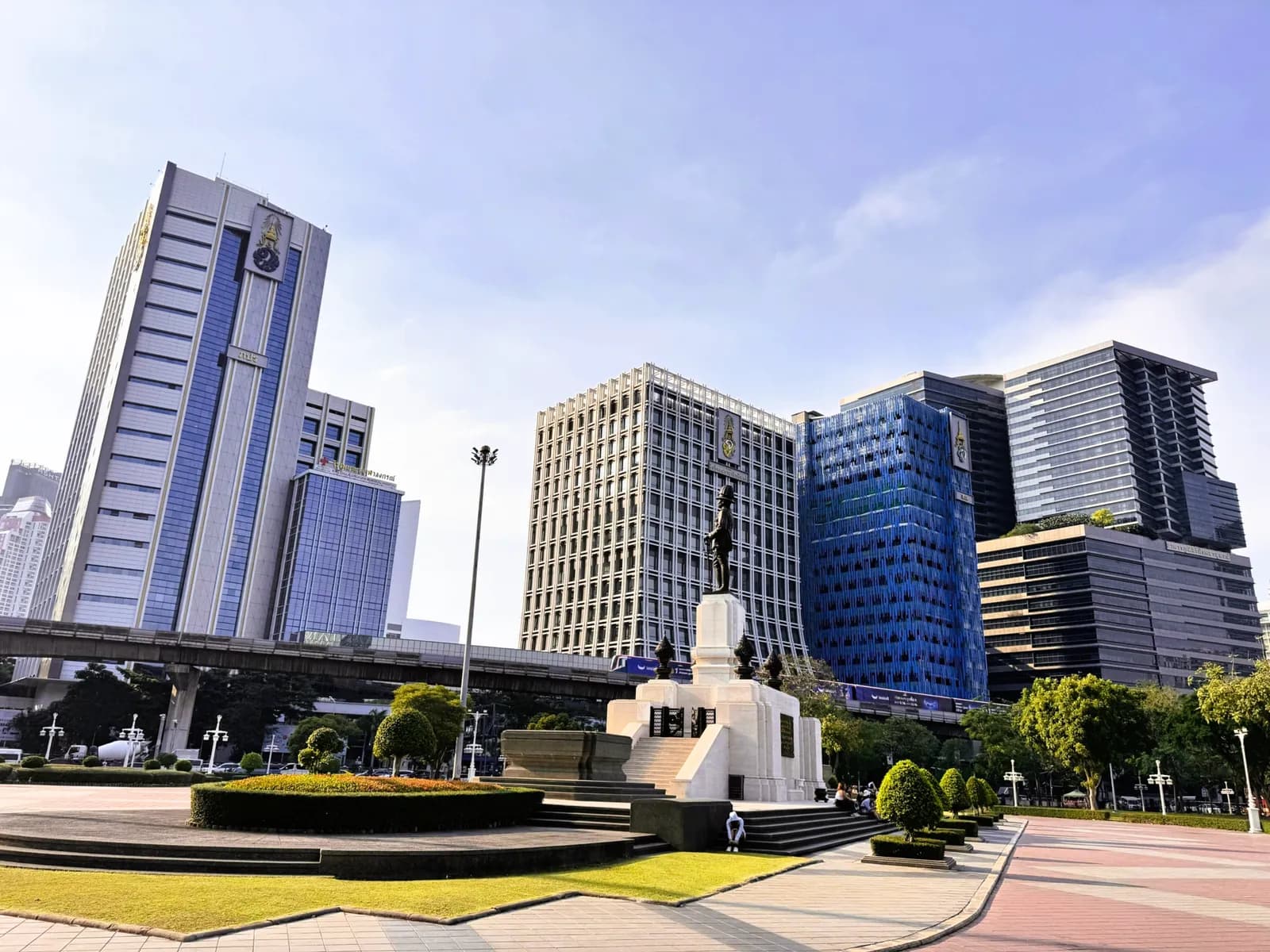
King Chulalongkorn Memorial Hospital (Chula Hospital, KCMH) is a Thai Red Cross Society university hospital on Rama 4 Road, Pathumwan, Bangkok, with plastic surgery, ENT facial plastic, oculoplastic and gender-affirming surgery teams.
Accreditation
- HA Thailand
- Surgeons
- 19
- Procedures
- 12
- Beds
- 1,500
- Established
- 1914
Surgeons here
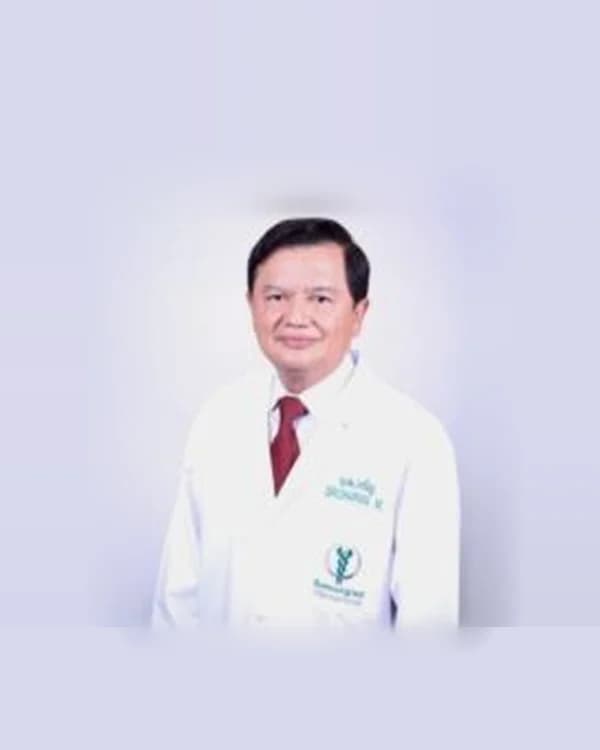
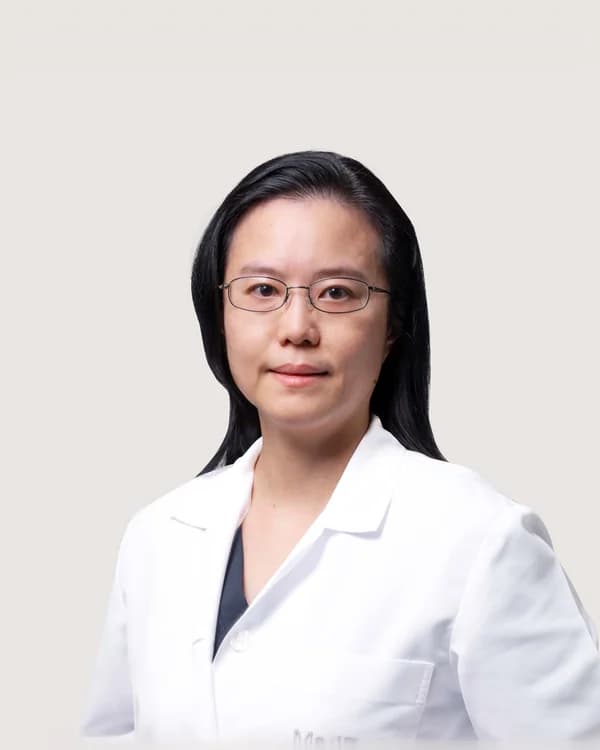
International patients
King Chulalongkorn Memorial Hospital. Dr. Panida's principal hospital, King Chulalongkorn Memorial Hospital, stands at number 1873 on Rama 4 Road in Pathumwan, Bangkok 10330. Owned by the Thai Red Cross Society, it is where Chulalongkorn University's medical faculty teaches, and it has been open since 1914. HA Thailand, the national hospital accreditor, re-accredited it at Advanced Hospital Accreditation level on 23 May 2025, with that status running to 22 May 2029. It had no entry when we looked it up in the accreditation directory of Joint Commission International (JCI). According to the ophthalmology department's own page, the department has eight operating theatres for eye surgery.
Help for patients from abroad. We could not find an official King Chulalongkorn Memorial Hospital page on an international patient service, interpreters, airport pick-ups or the languages its staff work in, though the hospital's website does have English pages. Dr. Panida's official profiles do not mention her consultation languages either. If Thai is not your language, tell us when you write, so that we can find out from the hospital how the consultation would be conducted before you book any travel.
Clinic days at each hospital. The Chulalongkorn oculoplastic unit publishes Monday clinic hours of 13:00 to 16:00 in the Sor Thor building. At Synphaet Srinakarin Hospital, her published session is on Friday from 17.00 to 20.00. Published timetables change, so hold off on buying flights until our patient team has a confirmed date for you. On a short trip, telling us which hospital you prefer, or that either would do, makes a date easier to find.
Length of stay. Our ptosis correction page gives 5–7 days as the typical time to spend in Thailand. Its day-by-day planner runs in this order: consultation and pre-operative tests, the operation itself, which goes ahead only if the surgeon judges you suitable, a wound check a few days later, and then a flight home once the surgeon clears you. Recovery differs from person to person, so a changeable return ticket is sensible. For eyelid surgery in general, the travel advice in our blepharoplasty guide is to bring sunglasses, not to swim or wear eye make-up until you have been cleared, and to follow the surgeon's instructions on eye drops for the flight.
Getting there. The hospital lies in Bangkok's Pathumwan district. Our Bangkok guide covers the wider city, and the hospital profile sets out its departments, accreditation and other surgeons.
How our patient team helps
- We pass your request to the surgeon's hospital or clinic and confirm availability, usually within one working day.
- You receive a booking reference to track your request.
- We answer practical questions on WhatsApp and by email.
ThaiCosmeticSurgery.com does not provide medical care. Treatment, prices and patient services are the responsibility of the hospital or clinic.
How to request a consultation with Dr. Panida Potita through our patient team
Requests to see Dr. Panida Potita can be made with our booking form or by messaging the WhatsApp line listed on this site. There is no charge for making a request. The steps are:
- Name the surgeon and the hospital. Mention Dr. Panida Potita and whether King Chulalongkorn Memorial Hospital, Synphaet Srinakarin Hospital or either one suits you.
- Outline the eyelid problem. A sentence or two is enough, for instance a right upper lid that has dropped gradually over the past year, or heavy lids in someone treated for thyroid eye disease.
- Suggest a time window. List the dates you could attend, and tell us whether you want to meet online first or go straight to a visit at the hospital.
- We check with the hospital. Someone from our patient team finds out whether she can see you, and on which day. Until we write back with a confirmed slot, your request is not an appointment.
- Extra details if requested. Should the hospital want your medical history or photographs, we tell you precisely what to provide.
- The decision stays with you. Asking to meet her leaves the choice about surgery entirely yours, and any treatment plan or cost estimate remains provisional until Dr. Panida has examined you.
If another doctor from the same oculoplastic unit would also be acceptable, you can request a consultation with the hospital instead and name the unit in your message. To compare options, our ptosis correction page lists further surgeons and hospitals with this procedure on record.
A request is not a confirmed appointment until our patient team confirms it with you.
What to send before a ptosis consultation with Dr. Panida Potita
Your first message only needs the written details below. Hold back photos and medical documents until the hospital asks for them, and when it does, share them via our booking form or the site's WhatsApp number rather than by any other route.
The eyelid problem
- Which eye droops, or whether both do, and about when you first saw a change
- Whether the droop is increasing and whether it varies over the day
- Whether it interferes with reading, driving or looking upwards
- What you hope to improve: vision, appearance, balance between the two sides, or all of these
Eye and general health
- Any eye condition you have (thyroid eye disease, glaucoma and dry eye matter most) and the drops you use
- Thyroid problems and how they have been treated, if relevant
- Earlier eye or eyelid operations, with the operation notes if available
- Current or past contact lens wear
- Other medical conditions, regular medicines (blood thinners included) and allergies
- Results of a recent eye test or examination, if you have them
Photographs, once the team requests them
Helpful photos are usually sharp, front-facing pictures of your face in even natural light, with your eyes open and looking straight at the camera, and no glasses or eye make-up, plus a close-up of each eye. An older photo taken before the lid began to droop can show how much it has changed.
Your own questions
Note down what you want to ask Dr. Panida, starting from the list in the consultation section above, so that nothing is forgotten on the day.
Credential research
Every fact on this profile comes from a source we opened and dated. Where a source only states something, we say so.
- Medical Council of Thailand licence
- Check the Medical Council's public register (opens in a new tab)
- Profile last reviewed
Hospital and clinic affiliation
Education and training
Positions
- Chulalongkorn Eye Center: อ.พญ.ปณิดา โพธิตา profile (Internet Archive capture 2026-03-11; live page returns HTTP 500) (opens in a new tab)
- Chulalongkorn Eye Center: หน่วยจักษุวิทยาตกแต่งและเสริมสร้าง (Oculoplastic and Reconstructive Ophthalmology Unit, Internet Archive capture 2026-02-14) (opens in a new tab)
- Thai Society of Ophthalmic Plastic and Reconstructive Surgery: Leadership (opens in a new tab)
Society memberships
Medical information
This profile is for information only and is not medical advice. Whether a procedure is suitable for you can only be decided after an assessment by a qualified surgeon. Every operation carries risks, and results vary from person to person. Before you commit to treatment, check the surgeon's credentials yourself, for example on the Medical Council of Thailand register. We do not accept payment for placement or rankings.
Frequently asked questions
Who is Dr. Panida Potita?
Dr. Panida Potita (ปณิดา โพธิตา) is an oculoplastic surgeon in Bangkok. She teaches in Chulalongkorn University's ophthalmology department, whose Chulalongkorn Eye Center is based in King Chulalongkorn Memorial Hospital, belongs to the department's Oculoplastic and Reconstructive Ophthalmology Unit, and is Deputy Chair of Academic Affairs of Thai SOPRS, the Thai society for ophthalmic plastic and reconstructive surgeons.
Where does Dr. Panida Potita practise?
Her main documented post is at [King Chulalongkorn Memorial Hospital](/hospital/king-chulalongkorn-memorial-hospital/), a Pathumwan hospital on Bangkok's Rama 4 Road, where her unit runs its clinic up on floor eight of the Sor Thor building. She also has a published doctor page at Synphaet Srinakarin Hospital. Our research found no other practice locations, though some may exist.
When does Dr. Panida Potita see patients?
The published timetables show the oculoplastic unit's Monday clinic at King Chulalongkorn Memorial Hospital from 13:00 to 16:00 and her Friday session at Synphaet Srinakarin Hospital from 17.00 to 20.00. Timetables can change, so our patient team confirms a real date with the hospital before you commit to travel.
Does Dr. Panida Potita perform ptosis correction?
Our site links [ptosis correction](/procedures/ptosis-correction/) to her because her Chulalongkorn unit's page names blepharoptosis (a drooping upper eyelid) among the lid problems it treats and lists her among its faculty. Neither of her individual profiles lists procedures, so at the consultation ask how she approaches the repair and how often she performs it.
Does Dr. Panida Potita do cosmetic blepharoplasty or double eyelid surgery?
We found no official page listing either operation for her, so neither is on her profile. Her unit does manage surplus eyelid skin (dermatochalasis) as an eyelid problem. For a mainly cosmetic goal, compare the surgeons on our [blepharoplasty](/procedures/blepharoplasty/) and [double eyelid surgery](/procedures/double-eyelid-surgery/) pages, or let our patient team find out from the hospital whether it can help.
Is Dr. Panida Potita a plastic surgeon or an eye surgeon?
She is an eye surgeon whose specialty, oculoplastics, covers plastic and reconstructive surgery of the eyelids, tear ducts and orbit. For that reason her society is Thai SOPRS, the ophthalmic plastic surgery body, rather than ThPRS, the plastic surgeons' society, where her name does not appear.
What is Dr. Panida Potita's research about?
The three PubMed papers in our research, from 2020, 2024 and 2026, all concern thyroid eye disease, also called Graves' orbitopathy: a randomised controlled trial of selenium supplements with her as first author, a study of an eyelid operation for patients with one retracted lid, and laboratory work on orbital tissue. Anyone with thyroid eye disease should mention it in their request.
What are Dr. Panida Potita's qualifications?
Synphaet Srinakarin Hospital states that she qualified as a Doctor of Medicine at Chulalongkorn University. The Chulalongkorn Eye Center lists her field as oculoplastic and reconstructive ophthalmology, and Thai SOPRS lists her as a member and office holder. Her residency, any fellowship and her board certification were not on the official pages we found, so ask the hospital to confirm them.
Can I check Dr. Panida Potita's medical licence?
You can: type her Thai name, ปณิดา โพธิตา, into the register search of the Medical Council of Thailand. The licence can be looked up on the Medical Council of Thailand's public register at checkmd.tmc.or.th, and our patient team can help you confirm it before you travel.
How many days in Thailand should I allow for ptosis repair with Dr. Panida?
Our ptosis correction page gives 5–7 days in Thailand as typical. That time covers an examination, the operation if she finds you suitable, a follow-up check and her go-ahead to fly. Your own stay depends on her assessment and on your healing, so a return ticket you can change is wise.
How can I ask to see Dr. Panida Potita?
Fill in our [booking form](/book/?doctor=king-chulalongkorn-memorial-cb2115) or send a WhatsApp message naming Dr. Panida Potita, your preferred hospital, your eyelid concern and when you are able to travel. We then find out from the hospital when she is free and write back to confirm. Nothing is booked before that, and a request commits you to nothing.
What details help the hospital review my eyelid concern before I see Dr. Panida?
A short written summary: which eye droops, since when, whether it is changing and whether it affects your sight. Add thyroid eye disease, glaucoma or dry eye if you have them, earlier eye operations, contact lens use, medicines and allergies. Hold photos back until the hospital asks; at that point our booking form or WhatsApp is the channel to use.