Key facts
- Specialty
- Oculoplastic surgery (ophthalmology)
- Subspecialties
- Ophthalmology (Bangkok Hospital Hat Yai specialty; Thai: จักษุวิทยา), Ophthalmology, with the sub-specialty Ophthalmic Plastic and Reconstructive Surgery (recognised by the Medical Council of Thailand register: สาขาจักษุวิทยา; อนุสาขาศัลยศาสตร์จักษุตกแต่งและเสริมสร้าง), Oculoplastics: 2013 fellowship at Samsung Medical Center, Seoul (PSU faculty page and Bangkok Hospital Hat Yai), Ophthalmic plastic and reconstructive surgery: faculty member of the Ophthalmic Plastic and Reconstructive Surgery Unit (หน่วยศัลยกรรมจักษุตกแต่งและเสริมสร้าง), Department of Ophthalmology, Prince of Songkla University
- Academic title
- Associate Professor
- City
- Songkhla & Hat Yai, Thailand
- Practises at
- Bangkok Hospital Hat Yai
- Medical school
- Chulalongkorn University
- Fellowship
- Samsung Medical Center, Sungkyunkwan University School of Medicine, Seoul
- Special interests
- Orbital disorders such as orbital tumours, orbital fractures and surgery to correct orbital abnormalities; eyelid disorders such as entropion, ectropion and ptosis; tear-drainage problems such as blocked tear ducts and watery eyes (the conditions the PSU Ophthalmic Plastic and Reconstructive Surgery clinic treats, with her named as its specialist faculty physician)
- Languages
- English, Thai
- Procedures
- 1 documented procedure
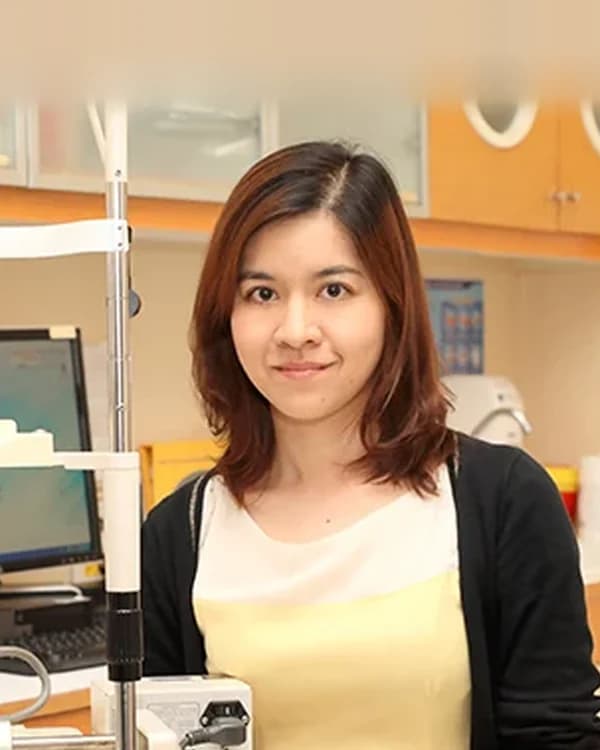
Assoc. Prof. Orapan Aryasit: oculoplastic eye surgeon in Hat Yai, Songkhla
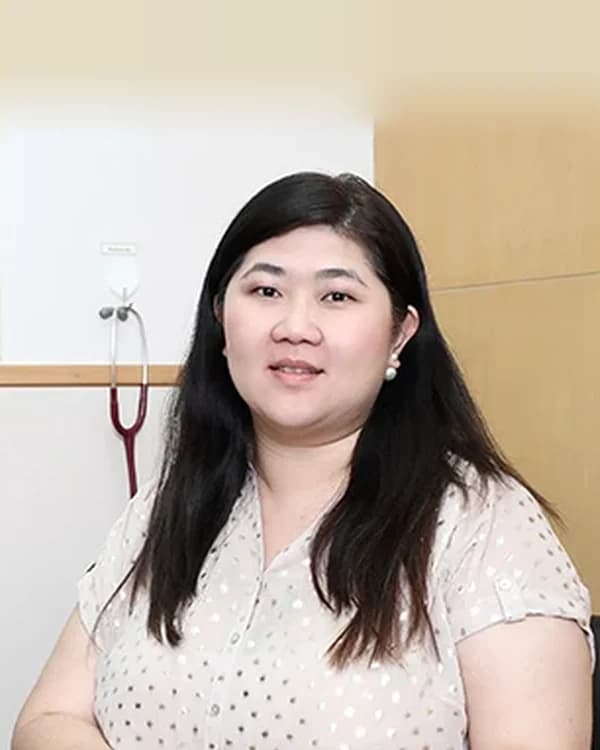
Assoc. Prof. Orapan Aryasit (Thai: รศ.พญ. อรพรรณ อาญาสิทธิ์) is a Hat Yai ophthalmologist who specialises in oculoplastic surgery: operations on the eyelids, on the orbit around the eyeball and on the passages that drain tears. Her entry in the Thai Medical Council's register, found by a name search, reads ORAPAN ARYASIT, M.D., licensed since 2006, with ophthalmology recorded as her specialty and ophthalmic plastic and reconstructive surgery (ศัลยศาสตร์จักษุตกแต่งและเสริมสร้าง) as her recognised sub-specialty.
Official websites place her in two Hat Yai institutions:
- [Bangkok Hospital Hat Yai](/hospital/bangkok-hospital-hat-yai/): the English and Thai doctor profiles of this private hospital show Dr. Orapan Aryasit under its Eye Clinic, with ophthalmology as her specialty.
- Prince of Songkla University (PSU): the Faculty of Medicine's eye department lists her as an Associate Professor in its eye plastic surgery unit (หน่วยศัลยกรรมจักษุตกแต่งและเสริมสร้าง), and the department's specialty-clinic page names her as specialist faculty physician for the matching clinic at Songklanagarind Hospital, the university's teaching hospital.
That PSU clinic page sorts the conditions it treats into three families: eyelid disorders (ptosis, entropion and ectropion), orbital disorders (orbital tumours, orbital fractures and corrective orbital surgery) and tear-drainage problems such as blocked tear ducts and watering eyes. Only one of these, ptosis correction, has its own procedure guide on our site, so it is the single procedure linked to her profile.
If you found her through a cosmetic surgery search, be clear about what kind of specialist she is. Assoc. Prof. Orapan trained as an eye doctor and then sub-specialised in oculoplastics; she is not a plastic surgeon. The work her university clinic documents is mostly about restoring lid position, protecting the eye and treating disease of the orbit and tear passages. Cosmetic operations such as blepharoplasty and double eyelid surgery are absent from every one of her official pages, and for that reason our site does not attach them to her name.
To ask for an appointment, use the consultation request for Assoc. Prof. Orapan Aryasit; no date is fixed until our patient team has checked with the hospital when she can see you. The sources behind this profile, and how we check them, are set out on our provider research methodology page.
Education and training
- Medical degree2006
Doctor of Medicine (แพทยศาสตรบัณฑิต)
Chulalongkorn University, Thailand
Source (bangkokhospital.com) (opens in a new tab) - Fellowship2013
Certificate of Fellowship in Oculoplastics (PSU faculty page); Bangkok Hospital Hat Yai lists '2013 Oculoplastics, Samsung Medical Center, Seoul Korea'
Samsung Medical Center, Sungkyunkwan University School of Medicine, Seoul, South Korea
Source (eye.psu.ac.th) (opens in a new tab) - Board certification2011
Ophthalmology: 'อนุมัติบัตรความรู้ความชำนาญในการประกอบวิชาชีพเวชกรรมสาขาวิชาจักษุวิทยา' (certificate of proficiency in ophthalmology) on the PSU faculty page; listed as '2011 Ophthalmology, Prince of Songkla University' on Bangkok Hospital Hat Yai
Faculty of Medicine, Prince of Songkla University, Thailand
Source (eye.psu.ac.th) (opens in a new tab)
Three dated steps make up her published training record, and each is confirmed by at least one official source:
- 2006, medical degree from Chulalongkorn University (Doctor of Medicine, แพทยศาสตรบัณฑิต). This appears on her Bangkok Hospital Hat Yai profile, and 2006 is also the year from which the Medical Council register shows her as licensed.
- 2011, ophthalmology, Faculty of Medicine, Prince of Songkla University. The PSU department's faculty page records her certificate of proficiency in ophthalmology (อนุมัติบัตรความรู้ความชำนาญในการประกอบวิชาชีพเวชกรรม สาขาวิชาจักษุวิทยา); Bangkok Hospital Hat Yai shows the same step as '2011 Ophthalmology, Prince of Songkla University'.
- 2013, Certificate of Fellowship in Oculoplastics, Samsung Medical Center, Sungkyunkwan University School of Medicine, Seoul, South Korea. The PSU faculty page names it in these words; the hospital profile lists it as 2013 Oculoplastics at Samsung Medical Center in Seoul.
The end point of that path is visible on the Medical Council register, which lists ophthalmology as her specialty and, beneath it, the sub-specialty of ophthalmic plastic and reconstructive surgery.
In general terms, an oculoplastic fellowship is where an eye surgeon narrows their practice to the lids, the bony orbit that houses the eyeball, and the tear-drainage system. What this means for a patient is that a drooping, in-turned or out-turned lid tends to be assessed first for its effect on the surface of the eye and on sight, and only then for how it looks.
Gaps worth knowing: we found no professional society membership for her on any source we checked. Her name does not appear in the ThPRS member collection or on the archived ThSAPS directory page we reviewed, which is unsurprising for an ophthalmologist, since both are plastic surgery societies. Her licence number, 33514, came back as a match for her name on the Medical Council's own licence-number check, and anyone can repeat the name search on the Council's register, checkmd.tmc.or.th.
Professional experience
- Current
Associate Professor (รศ.พญ.), faculty member of the Ophthalmic Plastic and Reconstructive Surgery Unit (หน่วยศัลยกรรมจักษุตกแต่งและเสริมสร้าง), Department of Ophthalmology
Faculty of Medicine, Prince of Songkla University, Hat Yai
Source (eye.psu.ac.th) (opens in a new tab) - Current
Specialist faculty physician (อาจารย์แพทย์เฉพาะทาง) of the Ophthalmic Plastic and Reconstructive Surgery clinic (คลินิกศัลยกรรมจักษุตกแต่งและเสริมสร้าง)
Songklanagarind Hospital (Department of Ophthalmology, Faculty of Medicine, Prince of Songkla University), Hat Yai
Source (eye.psu.ac.th) (opens in a new tab) - Current
Ophthalmologist (specialty: Ophthalmology), Eye Clinic
Bangkok Hospital Hat Yai
Source (bangkokhospital.com) (opens in a new tab)
Her official pages describe three present-day roles, two of them inside the same university department:
- Associate Professor, PSU Faculty of Medicine. On the Department of Ophthalmology's faculty page she sits in the eye plastic and reconstructive surgery unit and carries the Thai title รศ.พญ., which combines the academic rank of associate professor with the honorific for a female physician.
- Specialist faculty physician (อาจารย์แพทย์เฉพาะทาง), eye plastic and reconstructive surgery clinic, Songklanagarind Hospital. The department's specialty-clinic page gives her this role for คลินิกศัลยกรรมจักษุตกแต่งและเสริมสร้าง; อาจารย์แพทย์ is the Thai term for a doctor who also teaches at a medical school. Her name also appears on the department's outpatient timetables, both for the eye plastic surgery special clinic and for the out-of-hours service. We have left her clinic days out; ask our patient team for the current timetable.
- Ophthalmologist, Eye Clinic, Bangkok Hospital Hat Yai. The private hospital's profiles in English and Thai name ophthalmology as her specialty. They do not publish a weekly timetable we could verify, so if you plan to fly in to see her there, ask our team to confirm her clinic days for your dates first.
Neither PSU nor the hospital states when she took up these positions, so this page gives no figure for how long she has held them.
Research in her field. A PubMed author search finds her, with the PSU Department of Ophthalmology affiliation, on papers such as:
- a 2026 Scientific Reports study comparing surgical outcomes of the Jones and Wies procedures with a lateral tarsal strip for involutional (age-related) lower eyelid entropion;
- a 2017 British Journal of Ophthalmology paper on maximal levator resection for congenital ptosis on one side with poor levator function;
- two studies on rebuilding the anophthalmic socket (the socket left after removal of an eye), one using dermis-fat grafts (Clinical Ophthalmology, 2015) and one looking at factors that affect outcomes with autologous oral mucosal grafts (BMC Ophthalmology, 2024);
- a randomised controlled equivalence trial, run across several centres, comparing locally made and imported porous polyethylene orbital implants (International Journal of Ophthalmology, 2024);
- work on biopsied lacrimal gland tumours (Scientific Reports, 2023), IgG4-related disease in idiopathic orbital inflammation (BMC Ophthalmology, 2021) and survival outcomes in eyelid malignancy (Journal of Craniofacial Surgery, 2019).
Publications show the clinical questions studied in her department. They do not list the operations offered to private patients, and we do not read them that way.
Selected publications
- Comparing surgical outcomes between the Jones and Wies procedures with lateral tarsal strip for involutional lower eyelid entropion. (opens in a new tab) · Scientific Reports, 2026
- Factors affecting anophthalmic socket reconstruction outcomes using autologous oral mucosal graft. (opens in a new tab) · BMC Ophthalmology, 2024
- Comparison between local-made and imported porous polyethylene orbital implant: a randomized controlled equivalence trial and multicenter study. (opens in a new tab) · International Journal of Ophthalmology, 2024
- Clinical characteristics, radiologic features, and histopathology of biopsied lacrimal gland tumors. (opens in a new tab) · Scientific Reports, 2023
- IgG4-related disease in patients with idiopathic orbital inflammation. (opens in a new tab) · BMC Ophthalmology, 2021
- Clinicopathologic Characteristics and Predictors Affecting Survival Outcome of Eyelid Malignancy. (opens in a new tab) · The Journal of Craniofacial Surgery, 2019
- Maximal levator resection in unilateral congenital ptosis with poor levator function. (opens in a new tab) · The British Journal of Ophthalmology, 2017
- Indications and results in anophthalmic socket reconstruction using dermis-fat graft. (opens in a new tab) · Clinical Ophthalmology, 2015
Procedures performed
Procedures are listed only when an official source, such as a hospital or clinic profile, a department page or the surgeon's own site, names them. A listing is not a recommendation: whether a procedure suits you is decided at a consultation.
Facial plastic surgery
Where these listings come from
- The Department of Ophthalmology's specialty-clinic page (PSU) says the Ophthalmic Plastic and Reconstructive Surgery clinic treats eyelid disorders including 'หนังตาตก (Ptosis)' and names 'พญ.อรพรรณ อาญาสิทธิ์' as its specialist faculty physician eye.psu.ac.th (opens in a new tab)
Ptosis, eyelid position, orbit and tear ducts: the areas Assoc. Prof. Orapan's clinic documents
Ptosis correction (drooping upper eyelid)
Of the conditions listed for her clinic, ptosis is the one with a matching guide on our site: ptosis correction. The PSU specialty-clinic page names ptosis (หนังตาตก) among the eyelid disorders treated in the clinic where she is specialist faculty physician.
In general, ptosis describes a lid margin that rests lower than it should, usually because of a problem with the muscle that raises the lid. A fold of surplus skin hanging over the lid is something else: that is what upper eyelid surgery addresses, whereas our blepharoplasty guide points out that ptosis calls for repair of the muscle rather than skin removal alone. The two can occur together, and a low-set brow may add to the feeling of weight over the eye, which is why a brow lift sometimes enters the conversation. As a rule, the surgeon measures how far the lid has dropped and how much movement the levator (lifting) muscle still has, since those findings steer the choice of repair. Her 2017 paper on one-sided congenital ptosis with poor levator function addresses exactly that planning decision.
Points to include when you ask about ptosis:
- Whether the droop affects one eye or both, roughly when it began, and whether it is worse when you are tired or late in the day.
- For a child who has had a droop since birth, state the child's age and history plainly. None of her official pages says which age groups she treats, so our team will ask whether a paediatric appointment is possible.
- A lid that has dropped suddenly, or a droop accompanied by double vision or other new symptoms, needs prompt medical assessment near home, not an elective trip abroad.
- As general guidance, our ptosis correction guide budgets roughly 5–7 days for the stay in Thailand, including a wound check around the third day and the return flight only after the surgeon has cleared you. The recovery pattern in our eyelid surgery guide is similar: swelling and bruising for the first 2–3 days, removal of stitches at roughly 5–7 days, fading of most bruises within 1–2 weeks, and the lid contour continuing to settle for weeks to months. Healing differs from person to person, and whether surgery suits you at all can only be decided at an examination.
Entropion and ectropion (lids turning inward or outward)
Entropion and ectropion appear on the same clinic list. Broadly, entropion is a lid that curls in so the lashes scratch the surface of the eye, while ectropion is a lid that sags away or turns out, leaving the eye exposed, sore and often watering. These are functional problems, and the goal of repair is to put the lid back where it shields the eye. Our site has no dedicated guide for these operations, so they are not linked as procedures here, but you are welcome to describe your symptoms in a request. The newest paper on her list compares two operations for age-related lower-lid entropion.
Orbital problems: tumours, fractures and correction of orbital abnormalities
Orbital tumours, orbital fractures and surgery for orbital abnormalities are also on the clinic's list. These belong to medical rather than cosmetic care. They are usually worked up with a complete eye examination and frequently with CT or MRI imaging, and other specialists may share in the treatment. Any scans or biopsy results you already hold are the most valuable things to include with a request. Her co-authored studies on lacrimal gland tumours, orbital inflammation, orbital implants and socket reconstruction fall within this area.
Blocked tear ducts and watering eyes
The clinic also lists tear-drainage problems. A watering eye can have more than one cause, from an obstructed duct to a lower lid that has drifted away from the eyeball, so diagnosis comes before any plan for surgery. Tell us which eye is affected (or both), whether you notice discharge or a swelling at the inner corner, and what treatment has been tried so far.
Not documented: cosmetic eyelid surgery
Her official pages make no mention of cosmetic blepharoplasty, lower eyelid surgery or double eyelid surgery. That is an absence of evidence, not proof that she never performs them. If appearance is your main aim, our team can put the question to the hospital, or you can look at the other surgeons on our Songkhla and Hat Yai destination page.
Consultation with Assoc. Prof. Orapan Aryasit: questions to ask about eyelid and orbital surgery
An oculoplastic appointment normally starts with the eye rather than the operation: your vision, the health of the eye surface and the way the lids open and close. The questions below fit the conditions documented for her clinic:
- Which site will I attend, and where would any operation happen? Check whether you are booked into the Eye Clinic at Bangkok Hospital Hat Yai or the PSU clinic at Songklanagarind Hospital, and whether surgery would take place in the same hospital.
- What is actually causing the problem? With a heavy upper lid, ask whether the cause is ptosis, surplus skin, a low brow or a combination, since each leads to a different operation.
- Which technique would you use on my lid, and why that one? For ptosis, ask how the levator measurement influenced the choice. For entropion or ectropion, ask which structures the repair tightens or moves.
- Is one eye or both being treated? Where only one lid is operated on, ask how its height and contour will be matched with the other side.
- What anaesthesia do you plan? Our eyelid surgery guide gives local anaesthesia with sedation, or general anaesthesia, as the usual choices; ask which suits your case and whether someone needs to accompany you afterwards.
- Who operates? At a teaching hospital, feel free to ask which steps of the operation she carries out herself.
- Which risks matter most for me? In general terms, our eyelid surgery guide mentions a dry or irritated eye surface, a spell of blurred vision, lids that do not shut completely, a difference between the two sides, noticeable scars, a lower lid pulled out of position, infection and, in very rare cases, a bleed behind the eye that can affect sight. Ask which of these apply to your eyes and how each would be handled, and what to do if severe pain or loss of vision occurs after surgery, which needs urgent help.
- What happens if the lid height is off after healing? Ask about the approach to adjustments or revision, including once you are back home.
- When may I fly, and what aftercare will I need at home? Request a written operation summary and eye-drop instructions so that an eye doctor where you live can take over.
- How much will it cost? We do not publish prices for her; ask for a written quotation for your particular plan, via our patient team, before you travel.
Hospitals and clinics where Assoc. Prof. Orapan Aryasit practises
Hat Yai, Songkhla & Hat Yai
Bangkok Hospital Hat Yai
โรงพยาบาลกรุงเทพหาดใหญ่
- Private hospital
- International patient service
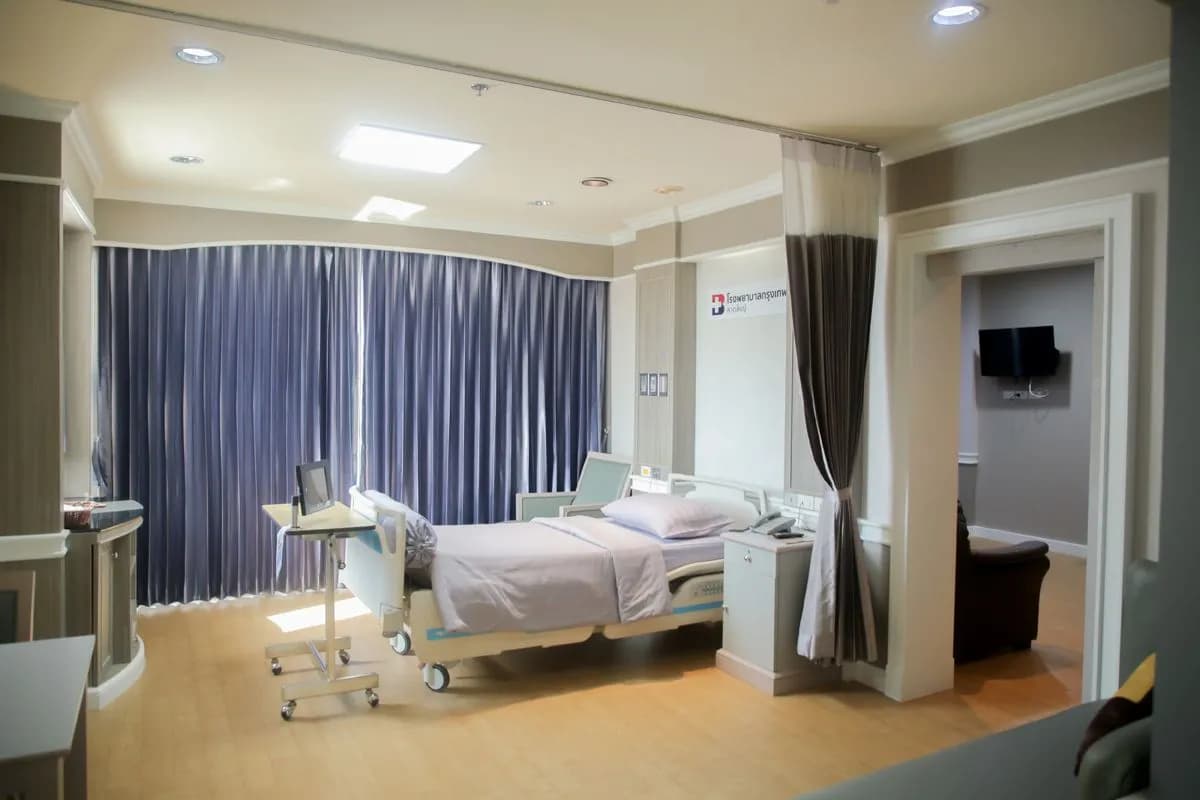
Bangkok Hospital Hat Yai is a private hospital on Phetkasem Road, Hat Yai, Songkhla, accredited by HA Thailand until July 2028. Its Plastic Surgery Clinic offers reconstructive and cosmetic surgery; six part-time surgeons in related fields are listed.
Accreditation
- HA Thailand
- Surgeons
- 6
- Beds
- 400
- Established
- 1997
- Languages
- Thai, English, Malay (Bahasa Melayu), Chinese
Surgeons here
International patients
Of her two workplaces, only [Bangkok Hospital Hat Yai](/hospital/bangkok-hospital-hat-yai/) publishes services for patients from abroad. You will find it on Phetkasem Road at 75 Soi 15 (Hat Yai district, Songkhla 90110), and its international pages set out these services:
- the International Patient Advocate Program (IPAP), under which one advocate looks after a foreign patient throughout, from the first enquiry to the trip home;
- free e-mail advice before arrival, in which the specialist's recommendations are turned into a draft treatment plan and an initial fee quotation;
- translators and interpreters: the international service names Thai, English and Malay, and the hospital's story page also refers to Chinese;
- help with Thai visa matters, with health insurance and with insurers abroad, plus liaison with foreign embassies and international bodies;
- a medical report and a fit-to-fly certificate for your return journey;
- airport pick-up and drop-off, hotel coordination and hospital transport, with hospital staff and vans collecting patients from Hat Yai's airport, its railway station, its bus station and Sadao's immigration checkpoint at the Malaysian border;
- special diets (vegetarian, Muslim or western), an on-site restaurant with halal certification, and rooms set aside for Muslim prayer;
- card payment with Visa, MasterCard or American Express, and an online payment option.
Accreditation. HA Thailand, the Healthcare Accreditation Institute, records Bangkok Hospital Hat Yai as accredited at standard level, with a re-accreditation dated 22 July 2025 that is valid to 21 July 2028. When we searched the JCI (Joint Commission International) directory in September 2026 the hospital was not listed, and its own awards and accreditations page claims no JCI status.
Songklanagarind Hospital. Her university clinic belongs to the teaching hospital of the PSU Faculty of Medicine. We have no published facility profile for it yet and no verified details of its arrangements for overseas patients. Say in your request if you would rather attend the university clinic, and our team will look into whether that can be arranged.
Reaching Hat Yai. Flights from Bangkok to Hat Yai International Airport (HDY) take roughly 1.5 hours, and the city is connected to Malaysia by road and rail, so the Sadao border crossing matters to overland travellers. Read your own government's travel advice before you book, because some governments warn against travel to certain Songkhla districts close to the southern border. On this Gulf side of the south, the wettest months usually run from about October to December, so allow slack in plans made for that period. More on the area is in our Songkhla and Hat Yai destination guide.
How long to stay. As general guidance, a ptosis repair means planning on roughly 5–7 days in the country according to our ptosis guide, although the surgeon decides your actual schedule. Tips from the eyelid surgery guide: pack sunglasses, skip swimming and eye make-up until the surgeon gives the go-ahead, and check which eye drops you should use on the plane. Treatment for an orbital or tear-duct problem may need a different timetable, which only an examination can settle, so choose a return ticket you can change.
Published by the hospitals and clinics
These services are offered and provided by each facility itself, as listed on its official site.
Bangkok Hospital Hat Yai
- International patient desk
- International Patient Advocate Program (IPAP): each international patient is assigned a dedicated advocate from first contact until they return home Source (bangkokhospital.com) (opens in a new tab)
- Free pre-arrival consultation and medical advice by e-mail, with a treatment plan and initial fee quotation based on the specialist's recommendations Source (bangkokhospital.com) (opens in a new tab)
- Translation and interpretation service Source (bangkokhospital.com) (opens in a new tab)
- Guidance with Thai visa issues Source (bangkokhospital.com) (opens in a new tab)
- Assistance with health insurance Source (bangkokhospital.com) (opens in a new tab)
- Coordination with insurance companies abroad Source (bangkokhospital.com) (opens in a new tab)
- Liaison with embassies and international organizations Source (bangkokhospital.com) (opens in a new tab)
- Medical reports and fit-to-fly medical certificates for patients travelling abroad Source (bangkokhospital.com) (opens in a new tab)
- Special diets (vegetarian, western and Muslim) Source (bangkokhospital.com) (opens in a new tab)
- Halal-certified restaurant on site Source (bangkokhospital.com) (opens in a new tab)
- Muslim prayer rooms Source (bangkokhospital.com) (opens in a new tab)
- Airport arrival and departure, and hotel/hospital transport Source (bangkokhospital.com) (opens in a new tab)
- Hospital representatives and van service from Hat Yai International Airport, Hat Yai Bus Station, Hat Yai Railway Station and Sadao Immigration Source (bangkokhospital.com) (opens in a new tab)
- Hotel coordination Source (bangkokhospital.com) (opens in a new tab)
- Card payment accepted (MasterCard, Visa, American Express) and online payment service Source (bangkokhospital.com) (opens in a new tab)
Languages listed: Thai, English, Malay (Bahasa Melayu), Chinese
How our patient team helps
- We pass your request to the surgeon's hospital or clinic and confirm availability, usually within one working day.
- You receive a booking reference to track your request.
- We answer practical questions on WhatsApp and by email.
ThaiCosmeticSurgery.com does not provide medical care. Treatment, prices and patient services are the responsibility of the hospital or clinic.
Requesting an appointment with Assoc. Prof. Orapan through our patient team
Appointment requests for Assoc. Prof. Orapan Aryasit go through our patient team; they are free of charge, and sending one does not oblige you to go ahead. Open the request form for her and pick the option that fits:
- Online consultation: an initial conversation about your eyelid, orbital or tear-duct concern before you travel. It is not published whether she joins video calls herself, so the team agrees the format with the hospital.
- In-person consultation: an examination in Hat Yai, the normal first step before any eyelid or orbital operation is scheduled.
- Surgery enquiry: for people who already have a diagnosis, for instance ptosis confirmed by their own eye doctor, and want to discuss dates for ptosis correction.
Once your request arrives, our team asks the hospital whether and when she is available, passes the resulting options to you and waits for your agreement; no appointment exists until then. An operation is only scheduled after she has examined you and judged it suitable. Because her clinic days at Bangkok Hospital Hat Yai are not published, keep your dates as flexible as you can.
Would you rather be matched with another specialist at the same hospital? Send a request to Bangkok Hospital Hat Yai describing your problem. For purely cosmetic eyelid work, which her official pages do not cover, you can also browse other surgeons or compare the providers listed for blepharoplasty.
A request is not a confirmed appointment until our patient team confirms it with you.
Photos, history and scans to prepare for Assoc. Prof. Orapan's clinic
The more the surgeon can see before you travel, the better she can judge whether your problem belongs in her clinic and which tests to arrange for your arrival. Attach whatever applies to your request.
Photos for eyelid problems (ptosis, entropion, ectropion)
- Straight-on view with eyes open and gaze level, camera held at eye height
- The same view looking upward, then downward
- Eyes softly shut
- A close-up of each eye, and a profile from each side
- Natural daylight or even room lighting, with no glasses, contact lenses or eye make-up
- Older pictures (ID photos, family snaps) that date when a droop or other change first showed
Your medical background
- When the problem began, which side or sides it affects and whether it varies during the day
- Earlier eye or eyelid operations, any injury to the face or eye socket, and copies of operation notes
- Existing eye diagnoses, for example glaucoma, thyroid eye disease or a dry eye condition, and whether you use contact lenses
- Every medicine you take (mention blood thinners specifically) and any known allergies
- Other health conditions, plus any trouble you have had with anaesthetics in the past
Reports and imaging (particularly for orbital and tear-duct concerns)
- CT or MRI images together with the radiologist's written report
- Pathology or biopsy results
- Letters from your eye doctor, recent examination findings, your spectacle prescription and any visual field results
Practical details
- Which setting you prefer (Bangkok Hospital Hat Yai or the PSU clinic), your travel window, and whether you would like to be seen in English or Thai
- For a child: age, when the problem was first noticed, and any treatment so far
Our patient team forwards these materials to the hospital along with your request.
Credential research
Every fact on this profile comes from a source we opened and dated. Where a source only states something, we say so.
- Medical Council of Thailand licence
- Checked on the Medical Council register on 27 September 2026 · Licence no. 33514
- Profile last reviewed
Medical Council licence
Hospital and clinic affiliation
Education and training
Positions
- PSU Department of Ophthalmology: faculty (คณาจารย์), Ophthalmic Plastic and Reconstructive Surgery Unit tab (opens in a new tab)
- PSU Department of Ophthalmology: specialty clinics (คลินิกเฉพาะทาง), embedded Canva document (opens in a new tab)
- Bangkok Hospital Hat Yai: Dr. Orapan Aryasit (English profile) (opens in a new tab)
Special interests
Medical information
This profile is for information only and is not medical advice. Whether a procedure is suitable for you can only be decided after an assessment by a qualified surgeon. Every operation carries risks, and results vary from person to person. Before you commit to treatment, check the surgeon's credentials yourself, for example on the Medical Council of Thailand register. We do not accept payment for placement or rankings.
Frequently asked questions
Who is Assoc. Prof. Orapan Aryasit?
She is an ophthalmologist based in Hat Yai, Songkhla, holding a Medical Council of Thailand-recognised oculoplastic sub-specialty (ophthalmic plastic and reconstructive surgery). Prince of Songkla University lists her as an Associate Professor in its Department of Ophthalmology, and Bangkok Hospital Hat Yai lists her in its Eye Clinic.
Where does Assoc. Prof. Orapan Aryasit practise?
Both documented settings are in Hat Yai: the Eye Clinic of [Bangkok Hospital Hat Yai](/hospital/bangkok-hospital-hat-yai/), a private hospital, and the eye plastic and reconstructive surgery clinic at Songklanagarind Hospital, Prince of Songkla University's teaching hospital, where the university names her as specialist faculty physician.
Is Assoc. Prof. Orapan Aryasit a plastic surgeon?
No. She is an eye specialist whose sub-specialty covers plastic and reconstructive surgery of the lids, the orbit and the tear passages, which explains why she is not on Thai plastic surgery society lists. That background suits functional eyelid problems such as ptosis; for body contouring or broader facial cosmetic surgery, a plastic surgeon's profile is the better place to look.
Does Assoc. Prof. Orapan Aryasit perform ptosis correction?
Ptosis is among the eyelid disorders listed by the Prince of Songkla University clinic where she is named specialist faculty physician, and it is the procedure linked to her profile. She would need to examine you before any operation could be judged suitable, so the first step is a consultation request. Our [ptosis correction guide](/procedures/ptosis-correction/) gives general guidance on the usual time in Thailand.
Does Assoc. Prof. Orapan Aryasit do blepharoplasty or double eyelid surgery?
Neither procedure appears on any of her official pages, so we are unable to confirm that she performs them. Our patient team can raise the question with the hospital, or you can compare the providers listed under [blepharoplasty](/procedures/blepharoplasty/) and [double eyelid surgery](/procedures/double-eyelid-surgery/).
Which other eye problems does her clinic treat besides ptosis?
The university clinic she staffs lists entropion (a lid turning in), ectropion (a lid turning out), orbital tumours, orbital fractures, surgery to correct orbital abnormalities, blocked tear ducts and watering eyes. Our site has no separate guides for these, but you can describe your symptoms and attach photos and any scans when you send a request.
Where did Assoc. Prof. Orapan Aryasit train?
She earned her Doctor of Medicine at Chulalongkorn University in 2006, completed ophthalmology at the Faculty of Medicine, Prince of Songkla University, in 2011, and held a fellowship in oculoplastics at Samsung Medical Center, Sungkyunkwan University School of Medicine, Seoul, South Korea, in 2013.
Is Assoc. Prof. Orapan Aryasit's medical licence verified?
Yes. The Medical Council of Thailand register shows ORAPAN ARYASIT, M.D., licensed since 2006, recording her specialty as ophthalmology with a sub-specialty in eye plastic and reconstructive surgery, and the Council's licence check matched number 33514 to her name. Her record can be looked up by name at checkmd.tmc.or.th if you want to confirm it yourself.
Which languages does Assoc. Prof. Orapan Aryasit speak?
Bangkok Hospital Hat Yai lists English and Thai for her. Separately, the hospital's international service provides interpreters and names Malay alongside Thai and English.
Can I see Assoc. Prof. Orapan at Songklanagarind Hospital instead of Bangkok Hospital Hat Yai?
She is the named specialist faculty physician of the university's eye plastic surgery clinic there, but we hold no verified information on how overseas patients book at Songklanagarind Hospital and have no facility profile for it yet. Mention that you prefer the university clinic when you write to us; the patient team can then ask whether it is possible.
What happens when I send a consultation request for Assoc. Prof. Orapan?
Open our [request form for her](/book/?doctor=orapan-aryasit) and select what you need: a first online discussion, an in-person examination, or an enquiry about surgery dates. It is free and non-binding; we then ask the hospital about her availability, and no booking is made until you accept one of the options that come back.
What should I prepare before contacting her clinic?
Photos of both eyes (looking ahead, up, down and gently closed), older pictures showing when a change started, your eye and general health history, current medicines, reports from earlier eye surgery, and any scans, biopsy results or letters from your own eye doctor. The section on photos, history and scans above lists everything in detail.